Knowledge Hub

Vigyan Darshan Blogs

Explore our collection of insightful articles about science, spirituality, and the universe from the perspective of ancient Vedic wisdom.

Showing 10 to 18 of 28 posts

क्या वेद हिंसा सिखाते हैं? – वेदों में शत्रु-दमन और प्रजा-रक्षा का वास्तविक अर्थ

क्या वेद हिंसा सिखाते हैं? – वेदों में शत्रु-दमन और प्रजा-रक्षा का वास्तविक अर्थ

भारतीय वैदिक परम्परा को अक्सर अहिंसा और करुणा की संस्कृति के रूप में देखा जाता है। यह धारणा केवल उत्तरवर्ती ग्रन्थों या दार्शनिक परम्पराओं तक सीमित नहीं है, बल्कि इसकी जड़ें स्वयं वेदों में भी दिखाई देती हैं। वेदों में जहाँ कहीं हिंसा या युद्ध का उल्लेख मिलता है, वह सामान्य या अकारण हिंसा के समर्थन के रूप में नहीं, बल्कि धर्मरक्षा, समाज-रक्षा और शत्रु-दमन के संदर्भ में है। साथ ही अनेक मन्त्रों में अनावश्यक हिंसा और द्वेष का निषेध भी स्पष्ट रूप से किया गया है।1. शत्रुओं के विरुद्ध युद्ध या दण्ड का निर्देशवेदों में समाज की सुरक्षा और व्यवस्था बनाए रखने के लिए कभी-कभी शत्रुओं के विरुद्ध शक्ति प्रयोग का उल्लेख मिलता है। उदाहरण के लिए अथर्ववेद (5.21.1) में दुन्दुभि (युद्ध का ढोल) को संबोधित करते हुए कहा गया है कि वह शत्रुओं के हृदय में भय और वैमनस्य उत्पन्न करे और उन्हें पराजित करे। इस मन्त्र का आशय यह है कि जब समाज या राज्य पर शत्रुओं का आक्रमण हो, तब उन्हें रोकने और परास्त करने के लिए युद्ध या शक्ति का प्रयोग आवश्यक हो सकता है। इस मन्त्र में शत्रुओं के लिए “अमित्र” शब्द का प्रयोग हुआ है, जिसका अर्थ है – जो मित्र न हो, अर्थात् शत्रु या समाज के विरोधी।इसी प्रकार ऋग्वेद (1.103.6) के भाष्य में यह बताया गया है कि समाज को ऐसे साहसी और न्यायप्रिय सेनापति की आवश्यकता होती है जो दुष्टों और अधर्मियों से समाज की रक्षा कर सके। यहाँ युद्ध या दण्ड का उद्देश्य केवल दुष्टों का दमन है, न कि सामान्य लोगों पर अत्याचार। दुष्ट और अधर्मी लोगों के लिए “परिपन्थी” (मार्ग में बाधा डालने वाला, डाकू या लुटेरा) तथा “अयज्वन्” (जो यज्ञ या धर्म का पालन नहीं करता) जैसे शब्द प्रयुक्त हुए हैं। मन्त्र में ऐसे व्यक्तियों के विरुद्ध कठोरता का उल्लेख किया गया है, क्योंकि वे समाज की व्यवस्था और धर्म का उल्लंघन करते हैं।इन मन्त्रों से स्पष्ट है कि वैदिक दृष्टिकोण में शक्ति का प्रयोग धर्म और न्याय की रक्षा के लिए किया जाता है, न कि व्यक्तिगत क्रोध, लालच या हिंसक प्रवृत्ति के कारण।2. अकारण हिंसा का निषेधवेदों में अनेक स्थानों पर यह भी कहा गया है कि मनुष्य को दूसरों के प्रति द्वेष, क्रूरता और अनावश्यक हिंसा से बचना चाहिए। उदाहरण के लिए ऋग्वेद (1.84.11) की व्याख्या में यह संकेत मिलता है कि ईश्वर मनुष्यों को ऐसा कारण न बनने दे जिससे वे दूसरों पर अन्यायपूर्ण हिंसा करें।इसके अतिरिक्त वैदिक साहित्य में “मित्रता, समन्वय और सद्भाव” की भावना को अत्यधिक महत्व दिया गया है। ऋग्वेद का प्रसिद्ध मन्त्र —“संगच्छध्वं संवदध्वं सं वो मनांसि जानताम्”(ऋग्वेद 10.191.2)मनुष्यों को एक साथ चलने, संवाद करने और परस्पर समन्वय रखने का संदेश देता है। यह स्पष्ट संकेत है कि वैदिक आदर्श समाज का आधार सहयोग और सौहार्द है, न कि हिंसा।वेदों में सभी को मित्र मानने और एकता के साथ रहने का स्पष्ट संदेश दिया गया है। यजुर्वेद (36.18) में "मित्रस्य मा चक्षुषा सर्वाणि भूतानि समीक्षन्ताम्" मंत्र द्वारा यह कामना की गई है कि सभी प्राणी मुझे मित्र की दृष्टि से देखें और मैं भी सभी को मित्र की दृष्टि से देखूँ। 3. वैदिक दृष्टि में धर्म और शक्ति का संतुलनवेदों की दृष्टि में आदर्श समाज वह है जहाँ न्याय और करुणा दोनों का संतुलन हो। यदि समाज पर आक्रमण करने वाले दुष्टों को रोका न जाए तो व्यवस्था और धर्म की रक्षा संभव नहीं रहती। इसलिए शत्रु-दमन को आवश्यक माना गया है। परन्तु यह शक्ति केवल रक्षा और न्याय के लिए है; व्यक्तिगत स्वार्थ या अकारण हिंसा के लिए नहीं।इस प्रकार वेदों की मूल भावना यह है कि—अकारण हिंसा अनुचित है।दुष्टों और आक्रमणकारियों से समाज की रक्षा आवश्यक है।शक्ति का प्रयोग केवल धर्म और न्याय की रक्षा के लिए होना चाहिए।4. वैदिक दृष्टि में शत्रु-दमन और राज्य का कर्तव्यवेदों में सामान्य जीवन के लिए मैत्री, एकता और सद्भाव का उपदेश मिलता है, किन्तु साथ ही यह भी स्पष्ट कहा गया है कि जो लोग समाज, राष्ट्र या प्रजा के प्रति द्रोह करते हैं, उनके विरुद्ध राजा और सेना को कठोरता से कार्य करना चाहिए। वैदिक मन्त्रों में अनेक स्थानों पर यह शिक्षा दी गई है कि राज्य का प्रमुख कर्तव्य प्रजा की रक्षा करना तथा दुष्ट और शत्रु प्रवृत्ति वाले व्यक्तियों को दण्ड देना है। इस संदर्भ में ऋग्वेद और अथर्ववेद के कुछ मन्त्र विशेष रूप से महत्वपूर्ण हैं।यस्य विश्वानि हस्तयोः पञ्च क्षितीनां वसु।स्पाशयस्व यो अस्मध्रुग् दिव्येवाशनिर्जहि॥  (ऋग्वेद 1.39.2 )इस मन्त्र में उस शासक का वर्णन है जिसके हाथों में सम्पूर्ण प्रजा और राष्ट्र की संपत्ति तथा व्यवस्था निहित है।राजा का कर्तव्य है कि जो व्यक्ति प्रजा के प्रति द्रोह करे या समाज को हानि पहुँचाए, उसे कठोर दण्ड दिया जाए। ऋषि दयानन्द भाष्य के अनुसार ऐसे दुष्ट को आकाश की बिजली के समान तीव्र दण्ड देकर नष्ट करना चाहिए, जिससे समाज में न्याय और व्यवस्था बनी रहे।इन्द्र जामय उत येऽजामयोऽर्वाचीनासो वनुषो युयुज्रे ।त्वमेषां विथुरा शवांसि जहि वृष्ण्यानि कृणुही पराचः ॥३॥ (ऋग्वेद 6.25.3)इस मंत्र  में  शत्रु सेना को परास्त करने की शिक्षा है । ऋषि दयानन्द भाष्य के आधार पर इस मन्त्र में सेनापति से कहा गया है कि जो शत्रु निकट हों या दूर, यदि वे समाज को हानि पहुँचाने का प्रयास करें तो उनका दमन किया जाए। राज्य की सेना को सुदृढ़ और शक्तिशाली बनाना तथा शत्रु सेना को पराजित करना सेनापति का प्रमुख कर्तव्य बताया गया है। इसका उद्देश्य केवल विजय नहीं, बल्कि समाज की सुरक्षा और धर्म की रक्षा है।  सायणाचार्य के अनुसार यहाँ दो प्रकार के शत्रुओं का उल्लेख है—एक वे जो निकट रहते हैं और दूसरे वे जो दूर देश में स्थित हैं। जब ये शत्रु आक्रमण के लिए तैयार हों, तब उनकी शक्ति और सेना को नष्ट करना आवश्यक है। राजा और सेना को चाहिए कि वे शत्रुओं को पराजित कर उन्हें युद्धभूमि से पीछे हटने के लिए विवश करें। यहाँ “जामयः” शब्द उन शत्रुओं के लिए प्रयुक्त है जो निकट सम्बन्धी या परिचित रूप में हमारे आसपास रहते हुए विरोध करते हैं। इसके विपरीत “अजामयः” वे शत्रु हैं जो दूर देश में स्थित होते हुए भी विरोधी या आक्रमणकारी होते हैं। इसी प्रकार “अर्वाचीनासः” उन शत्रुओं को सूचित करता है जो हमारी ओर बढ़ते हुए या सामने उपस्थित होकर आक्रमण के लिए तैयार होते हैं, जबकि “वनुषः” का अर्थ है हानि पहुँचाने वाले या हिंसा करने वाले शत्रु। जब ऐसे शत्रु युद्ध के लिए उद्युक्त होकर संगठित होते हैं, तब उनके “शवांसि” अर्थात् बल और सेनाशक्ति को “विथुरा” अर्थात् दुर्बल और नष्ट कर देना चाहिए। आगे यह भी कहा गया है कि उनके वीर्य और सामर्थ्य का नाश कर उन्हें “पराचः” अर्थात् पराङ्मुख या पीछे हटने के लिए विवश कर दिया जाए। इस प्रकार भाष्य में शत्रुओं को निकट और दूर—दोनों प्रकारों में विभाजित करके उनके दमन और पराजय की बात कही गई है।यत इन्द्र भयामहे ततो नो अभयं कृधि।मघवञ्छग्धि तव त्वं न ऊतिभिर्वि द्विषो वि मृधो जहि॥ (अथर्ववेद 19.15.1 )इस मन्त्र में राजा से प्रार्थना की गई है कि वह प्रजा को भय से मुक्त करे और उनकी रक्षा करे। जिससे लोग भयभीत होते हैं, उस शत्रु या दुष्ट शक्ति को राजा अपनी शक्ति और व्यवस्था से नष्ट करे। राजा का धर्म है कि वह द्वेष रखने वालों और युद्ध उत्पन्न करने वाले शत्रुओं का दमन करे और समाज में शान्ति स्थापित करे। वेदों में शत्रु या विरोधी के लिए एक ही शब्द नहीं, बल्कि अलग-अलग संदर्भों में विभिन्न शब्द मिलते हैं, जैसे-सपत्न्यः – प्रतिद्वन्द्वीजामयः – निकट शत्रुअजामयः – दूरस्थ शत्रुअमित्र – जो मित्र न होद्विषन्तः – द्वेष करने वालेअराति – विरोधी या उपद्रवकारीनिष्कर्षवेदों को यदि समग्र रूप में देखा जाए तो स्पष्ट होता है कि वे हिंसा के समर्थक नहीं हैं। जहाँ युद्ध या दण्ड का उल्लेख है, वह केवल शत्रुओं और अधर्मियों के विरुद्ध है, ताकि समाज में न्याय और व्यवस्था बनी रहे। दूसरी ओर, सामान्य जीवन में वेद मनुष्यों को सहयोग, सद्भाव और संयम का मार्ग अपनाने का उपदेश देते हैं। इसलिए यह कहना अधिक उचित होगा कि वैदिक परम्परा अकारण हिंसा का निषेध करती है और केवल धर्मरक्षा के लिए आवश्यक शक्ति-प्रयोग को स्वीकार करती है।संदर्भ ग्रंथ सूचीऋषि दयानन्द सरस्वती, ऋग्वेदादि भाष्य. दिल्ली: गोविन्दराम हासनन्द प्रकाशन।पण्डित क्षेमकरणदास त्रिवेदी, अथर्ववेद भाष्य. दिल्ली: गोविन्दराम हासनन्द प्रकाशन।ऋषि दयानन्द सरस्वती, यजुर्वेद भाष्य. दिल्ली: गोविन्दराम हासनन्द प्रकाशन।सायणाचार्य. ऋग्वेदसंहिता सायणभाष्य सहित. सम्पादक: वि. एस. बापट. पुणे: वैदिक संशोधन मंडल
VedasPhilosophy+2
Kartik IyerMar 12, 2026
2344
Is There a Fifth Force of Nature? Scientists Might Have Just Found It

Is There a Fifth Force of Nature? Scientists Might Have Just Found It

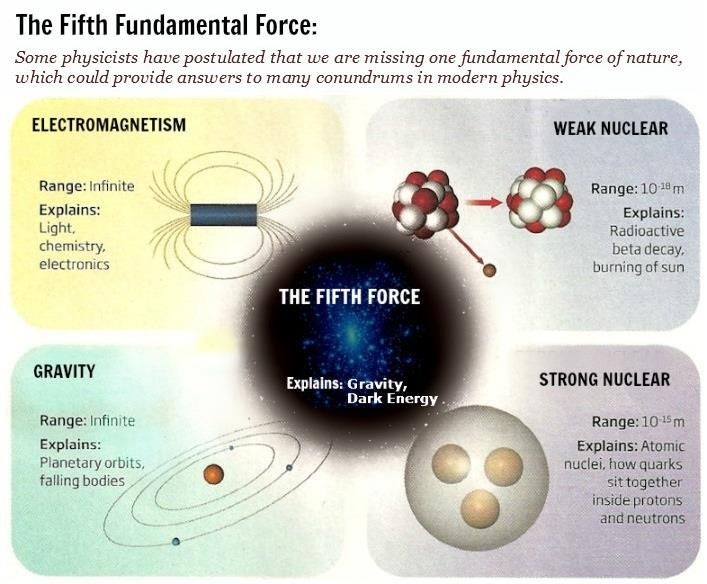
"What if everything we know about nature—the forces that move planets, bind atoms, and shape galaxies—isn’t the full story?Hello, dear friends,We often grow up believing that the universe is ruled by four fundamental forces: gravity, electromagnetism, and the two nuclear forces. It feels complete, doesn’t it? Neatly packaged, comfortably certain.But science is rarely about comfort; it’s about discovery.And sometimes, nature whispers that there’s more.Recently, a quiet lab in Zurich may have picked up one such whisper.Researchers from ETH Zurich, alongside teams from Germany and Australia, were studying atoms, not to break them apart, but to listen more closely than ever before. And in the delicate dance of calcium isotopes, they found something… strange.A possible sign of a fifth force.No particle colliders. No explosions. Just careful, precise observation and results that don’t quite fit the rulebook we’ve followed for decades.Could this be the missing piece behind mysteries like dark matter? Could it reshape physics as we know it?Let’s take a journey into what scientists are calling one of the most promising signs that our universe still holds secrets in plain sight.What Is a Fifth Force, and Why Do Scientists Think It Exists?For decades, science has relied on four fundamental forces to explain almost everything in the universe. They’re like the pillars holding up the structure of reality. Let’s revisit them quickly:Gravity keeps planets in orbit and your feet on the ground.Electromagnetism powers everything from lightning to your phone.The strong nuclear force holds atomic nuclei together.The weak nuclear force makes radioactive decay and nuclear fusion possible.These forces form the foundation of what's called the Standard Model of Physics. It’s a framework that explains how particles behave, interact, and form the universe as we know it.But here's the thing: the Standard Model is brilliant, but it’s incomplete.It can’t explain some of the universe’s biggest mysteries. Like why galaxies spin faster than they should. Or why 85 percent of the matter in the universe, known as dark matter, is completely invisible yet clearly influencing everything around it.For years, physicists have wondered. What if there's another force out there? A hidden force that we haven’t yet understood. A fifth force that subtly shapes reality, just outside our current vision.That idea has always lived in theory. Until now.What Did the Scientists at ETH Zurich Find?This isn’t a story about giant particle colliders or billion-dollar machines. It's about precision and patience. About listening to atoms more closely than ever before.The researchers studied calcium ions, tiny atoms stripped of some electrons, and compared different versions called isotopes. These isotopes are nearly identical, except for a small difference in their nuclear mass.Using an ultra-sensitive tool called laser spectroscopy, they measured tiny shifts in how these isotopes absorb light. And they found something... off.A small but significant deviation that shouldn’t exist, at least, not according to our current physics.This anomaly has no obvious explanation. Unless, perhaps, there's an unknown force subtly nudging these particles in ways we've never seen before.The possibility? It might be evidence of a fifth force of nature. Why This Could Be a Breakthrough for Understanding Dark MatterDark matter is one of the greatest puzzles in modern science.We can’t see it. We can’t touch it. We can’t even detect it directly.But we know it’s there.Why? Because galaxies spin too fast for the amount of visible matter they contain. Stars at the edges of galaxies move as if there's something massive and invisible pulling on them. That "something" is what we call dark matter.Now here’s where it gets exciting.The force we think might be influencing those calcium isotopes? It may also be the very thing interacting with dark matter. Not in the usual ways we understand, not through gravity or electromagnetism, but through something entirely new.This fifth force could act as a kind of bridge between regular matter and the hidden world of dark matter.It might explain:Why dark matter clumps together the way it does.Why does it seem to interact so weakly with light and particles?And maybe even what it's made of.In other words, if this fifth force is real, we might finally have a way to pull back the curtain on one of the universe's biggest secrets.It’s like finding a fingerprint on something we’ve only ever guessed existed.And that fingerprint could open up a brand-new chapter in physics.How Is This Research Different From Past Theories?For decades, physicists have speculated about the possibility of a fifth force. It’s not a new idea.But until now, every attempt to find it has either come up empty or lacked precision.Most earlier experiments looked for it in large, energetic environments. Think giant particle accelerators smashing atoms together or deep underground detectors waiting for dark matter to reveal itself. These are powerful tools, but they also bring complexity and noise, and often, uncertainty.This new approach is different. Very different.Instead of going big, these researchers went small.They turned their attention to atomic energy levels, the tiny steps electrons take inside atoms when they absorb light.By comparing how two nearly identical calcium isotopes absorb laser light, they were able to measure shifts with incredible sensitivity. So sensitive that they could detect differences smaller than a billionth of a percent.The fact that they saw a mismatch, one that the Standard Model doesn’t account for, is what caught everyone’s attention.It’s not just the result.It’s the method —clean, precise, and repeatable—that makes this such a potential game-changer.And most importantly, it’s something that can now be tested in other labs around the world. Because if multiple independent teams see the same thing… that’s when a new force of nature goes from possibility to reality.Conclusion: What If the Universe Is Still Whispering?Science is often portrayed as a race to answers. Equations, theories, proofs. But sometimes, it’s about something quieter, a pause, a puzzle, a tiny mismatch in a lab that makes you stop and ask, “What if?”That’s what this discovery feels like.A whisper from the universe. Not loud, not flashy, but deeply meaningful.Because if this fifth force exists, then nature has just tapped us on the shoulder and said,“You don’t know me fully yet.”It’s a reminder that our understanding of the cosmos, even after centuries of progress, is still evolving.That we haven’t reached the limits of knowledge. We’re still just beginning to listen with enough patience, precision, and humility.This isn’t just about atoms or forces. It’s about the human spirit, our endless need to explore, to ask questions, and to lean into mystery instead of running from it.We often think the next great leap will come from something big, a giant telescope, a rocket, or a supercollider. But this time, it came from looking at a speck of calcium and noticing a small, stubborn difference.And maybe that’s the real message.That the universe doesn’t always shout.Sometimes, it whispers.And when it does, it’s up to us, curious, imperfect, hopeful humans, to listen.So whether or not this fifth force turns out to be real, one thing is certain:The search has begun. And that, in itself, is a beautiful kind of progress.Thank you for joining us on this quiet yet profound journey through the mysteries of nature.

UniverseCosmology+1
Harendra Dudi, Mohit GaurJan 19, 2026
2129
धरती की धड़कनों को सुनने निकला है NISAR: विज्ञान और संवेदना का साझा अभियान

धरती की धड़कनों को सुनने निकला है NISAR: विज्ञान और संवेदना का साझा अभियान

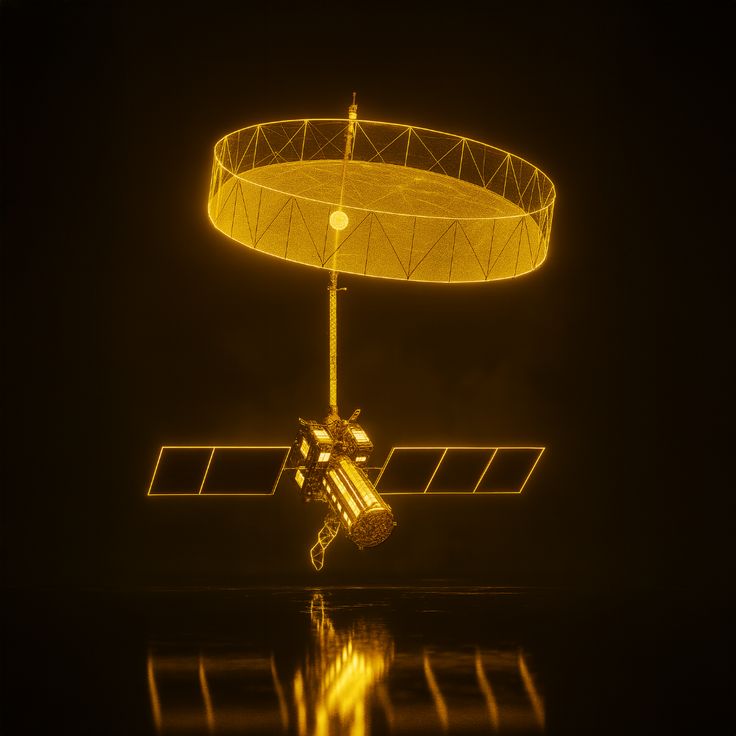
NISAR के ज़रिए हम पृथ्वी में होने वाले बदलावों को हर हफ्ते माप सकेंगे — हर पिक्सल उस क्षेत्र को कैप्चर करेगा जो लगभग एक टेनिस कोर्ट के आधे हिस्से जितना बड़ा है। इस तरह, हम पृथ्वी को एक जीवित प्रणाली के रूप में समझने का एक एकीकृत चित्र बना पाएंगे।— Paul Rosen, Project Scientist for NISAR at NASA JPL (Translated)नमस्ते दोस्तों,क्या आपने कभी महसूस किया है कि धरती हमसे कुछ कहना चाहती है?वो चुप रहती है, लेकिन उसका हर कंपन, हर बदलाव — एक संकेत होता है।कहीं कोई हिमनद धीरे-धीरे पिघल रहा है…कहीं ज़मीन खिसक रही है…कहीं जंगल सिकुड़ रहे हैं…और हम, इंसान, इन आवाज़ों को अक्सर तब सुनते हैं जब बहुत देर हो चुकी होती है।आज हम जिस दौर में जी रहे हैं, वहां जलवायु परिवर्तन, प्राकृतिक आपदाएं और पारिस्थितिक असंतुलन कोई दूर की चीज़ नहीं रही। ये हमारी रोज़मर्रा की हकीकत बन चुकी है।लेकिन अब सवाल ये है — क्या हम अपनी धरती की धड़कनों को समय रहते पहचान पाएंगे?इसी सवाल का जवाब है — NISAR.NASA और ISRO का यह साझा मिशन सिर्फ एक और सैटेलाइट नहीं है, बल्कि यह धरती को समझने की एक नई शुरुआत है।एक ऐसी आंख, जो हर 12 दिन में पूरे ग्रह की स्कैनिंग करेगी। एक ऐसी तकनीक, जो ज़मीन की मामूली सी भी हरकत को पहचान सकेगी। और सबसे बड़ी बात — एक ऐसा कदम, जो हमें चेतावनी देगा पहले, ताकि हम बचाव कर सकें समय पर।सोचिए, अगर हम अपनी धरती की छोटी-छोटी चेतावनियों को पहले ही सुन लें — तो शायद आने वाली आपदाएं टल जाएं। NISAR यही वादा करता है — कि अब हम सिर्फ बदलावों को सहेंगे नहीं, बल्कि उन्हें पहले से जानकर समझदारी से जवाब देंगे।तो आइए, इस ब्लॉग में हम समझते हैं कि NISAR क्या है, यह कैसे काम करता है, और हम सभी के जीवन में यह क्या बदलाव ला सकता है।NISAR क्या है? — जब विज्ञान धरती की नब्ज़ पढ़ेगाहमारे चारों ओर की धरती हमेशा चल रही है। ज़रूरी नहीं कि हम उसे हिलता हुआ देखें — लेकिन कहीं कोई ग्लेशियर धीमे-धीमे पिघल रहा है, कहीं किसी शहर की ज़मीन नीचे धंस रही है, और कहीं कोई जंगल धीरे-धीरे सिकुड़ रहा है।अब तक हम इन बदलावों को या तो महसूस ही नहीं कर पाते थे, या तब समझते थे जब वो किसी त्रासदी में बदल जाते थे।लेकिन अब NISAR आ रहा है — एक ऐसी निगाह बनकर जो इन अदृश्य हरकतों को देख सके, माप सके और समझा सके। तो आखिर NISAR है क्या?NISAR, यानी NASA–ISRO Synthetic Aperture Radar,एक उन्नत उपग्रह (satellite) है, जिसे संयुक्त रूप से अमेरिका की NASA और भारत की ISRO ने विकसित किया है।इस मिशन का उद्देश्य है — धरती की सतह पर हो रहे बदलावों की सबसे बारीक निगरानी करना। और ये कोई साधारण निगरानी नहीं है — ये मिशन मिलीमीटर स्तर की हरकतों को मापने में सक्षम है!इसे खास बनाते हैं इसके अद्भुत फीचर: 1. Dual-Frequency Radar (L-band + S-band):पहली बार कोई उपग्रह दो अलग-अलग रडार बैंड्स का इस्तेमाल करेगा —L-बैंड (NASA से) — गहराई में झांकने में माहिरS-बैंड (ISRO से) — सतह के ऊपर की हरकतों को पकड़ने में तेज़ये दोनों मिलकर हमें एक ऐसी तस्वीर देंगे जो पहले कभी मुमकिन नहीं थी। 2. पूरी पृथ्वी पर नज़र — हर 12 दिन में:यह सैटेलाइट हर 12 दिन में एक बार पूरे ग्रह का स्कैन करेगा।इसका मतलब है — लगातार, क्रमिक और सटीक डेटा, जो समय के साथ बदलते ट्रेंड्स को पकड़ पाएगा। 3. GSLV रॉकेट से प्रक्षेपण:30 जुलाई 2025 को शाम 5:40 बजे IST पर, भारत के श्रीहरिकोटा स्थित सतीश धवन अंतरिक्ष केंद्र से ISRO के GSLV-F16 रॉकेट द्वारा NASA–ISRO NISAR मिशन का सफलतापूर्वक प्रक्षेपण किया गया।इस सैटेलाइट का मकसद सिर्फ विज्ञानियों को डेटा देना नहीं है।यह किसानों, शहरवासियों, नीति-निर्माताओं और आम जनता — सभी के लिए है।अगर कोई नदी का तट कट रहा है — तो NISAR पहले से बता सकता है।अगर कोई ग्लेशियर बहुत तेज़ी से पिघल रहा है — तो अलर्ट दे सकता है।अगर कोई क्षेत्र भूधंसाव की चपेट में है — तो वहां की आबादी को समय रहते चेताया जा सकता है।यह मिशन एक तरह से धरती की धड़कनों की रिकॉर्डिंग है —हर बीट, हर हलचल को समझना… ताकि हम उसका सम्मान कर सकें, और उसके साथ तालमेल बिठा सकें। एक साथ, एक लक्ष्य — भारत और अमेरिका की साझेदारीNISAR एक ऐसा मिशन है जिसमें दो देशों की तकनीक, विज्ञान और दृष्टिकोण का सुंदर संगम है।NASA ने जहां उपग्रह का रडार सिस्टम और सॉफ्टवेयर विकसित किया है,वहीं ISRO ने सैटेलाइट का ढांचा, प्रक्षेपण यान और ज़मीन आधारित नियंत्रण तंत्र संभाला है।यह साझा विज्ञान, साझा ज़िम्मेदारी और साझा समाधान का प्रतीक है।अब जब हमने समझ लिया कि NISAR क्या है,आइए अगले हिस्से में देखें कि यह मिशन हमारे जीवन में कितना बड़ा बदलाव ला सकता है —क्योंकि बदलाव केवल आंकड़ों में नहीं होता, बल्कि लोगों के अनुभवों में झलकता है।NISAR इतना महत्वपूर्ण क्यों है? — जब बदलाव दिखने से पहले पकड़े जाएंगेहम सबने महसूस किया है — मौसम अब वैसा नहीं रहा जैसा पहले था। कभी बारिश अचानक ज़्यादा हो जाती है, कभी सूखा महीनों तक टिकता है।पहाड़ों पर बर्फ़ कम हो रही है, तटीय इलाकों में ज़मीन खिसक रही है, और कई शहर धीरे-धीरे ज़मीन में धँसने लगे हैं।लेकिन हम में से कितनों को पता होता है कि यह बदलाव कब और कैसे शुरू हुआ?यहीं पर आता है NISAR का असली महत्व।यह सिर्फ एक सैटेलाइट नहीं है —यह एक समय से पहले चेतावनी देने वाला यंत्र है। एक ऐसा सिस्टम जो कहता है — “मैंने देखा है, कुछ बदल रहा है।” आइए समझते हैं कि NISAR किस तरह हमारे जीवन को छूता है: 1. हिमनदों (Glaciers) की निगरानी:हिमालय और अंटार्कटिका जैसे क्षेत्रों में बर्फ़ की चुपचाप पिघलती परतें समुद्र-स्तर में धीमी लेकिन विनाशकारी बढ़ोतरी का कारण बनती हैं।NISAR पहली बार इन बर्फीले इलाकों की हरकतों को समय पर माप सकेगा। यह जानना ज़रूरी है कि कौन-से ग्लेशियर सबसे तेज़ पिघल रहे हैं, ताकि निचले तटीय इलाकों को समय रहते तैयार किया जा सके। 2. कृषि और जल संसाधन प्रबंधन:NISAR मिट्टी की नमी, ज़मीन की ऊँचाई में बदलाव, और जल निकासी पैटर्न की निगरानी कर सकेगा।इससे किसानों को यह जानने में मदद मिलेगी कि उनकी ज़मीन किस तरह बदल रही है, कहाँ कटाव हो रहा है, और कहाँ जलभराव का ख़तरा है। यह मिशन जल प्रबंधन, सिंचाई योजनाओं और फसल-चक्र तय करने में भी मददगार होगा।3. शहरी इलाकों की सुरक्षा:शहरों में अक्सर ज़मीन धीरे-धीरे बैठने लगती है — जिसे हम तब तक नहीं समझ पाते जब तक इमारतों में दरारें न पड़ने लगें।NISAR ऐसे बदलावों को पहले ही पकड़ सकेगा। यह प्रशासन और नीति-निर्माताओं को आवासीय और औद्योगिक क्षेत्रों की सुरक्षा में महत्वपूर्ण डेटा देगा।4. तटीय क्षरण और समुद्र स्तर में वृद्धि:NISAR उन इलाकों की निगरानी करेगा जहाँ समुद्र ज़मीन को धीरे-धीरे निगल रहा है।यह पता लगाया जा सकेगा कि कौन-सी तटीय आबादियाँ सबसे ज़्यादा जोखिम में हैं, और किन क्षेत्रों को तुरंत राहत और पुनर्वास की आवश्यकता है। 5. आपदा पूर्व चेतावनी प्रणाली को मज़बूती:भूस्खलन, भूकंप, बाढ़, सूखा — ये सभी आपदाएँ ऐसे संकेत पहले देती हैं जिन्हें NISAR पकड़ सकता है।सिर्फ आपदा के बाद राहत देना काफी नहीं होता — अब समय है आपदाओं को पहले से पहचानने और टालने का।NISAR इस दिशा में हमारी आँखें और कान दोनों बनेगा। 6. जलवायु परिवर्तन को समझने में क्रांति:अब तक जलवायु परिवर्तन पर हम अनुमान लगाते रहे हैं — लेकिन अब हमारे पास ठोस, विस्तृत और नियमित डेटा होगा।ये डेटा ग्लोबल क्लाइमेट पॉलिसी, IPCC रिपोर्ट्स, और अंतरराष्ट्रीय समझौतों (जैसे पेरिस समझौता) को और सटीक बनाएगा।यानी NISAR हमें डेटा नहीं — समझदारी देगा।एक ऐसी समझदारी जो हमें हमारी धरती के साथ और ज़िम्मेदारी से जुड़ने का मौका देगी।यह पहली बार है जब हम “देखने के बाद सोचने” की जगह “देखने से पहले जानने” की ओर बढ़ रहे हैं।NISAR का असर — एक आम इंसान की नज़र सेवैज्ञानिक खोजें अक्सर हमें बड़ी लगती हैं — जैसे किसी लैब या अंतरिक्ष केंद्र की चीज़ें, जो हमारी ज़िंदगी से दूर हैं।लेकिन NISAR वैसा नहीं है।ये मिशन सिर्फ आंकड़े इकट्ठा करने के लिए नहीं बना, बल्कि उन ज़िंदगियों को बेहतर बनाने के लिए है जो धरती पर चल रहे बदलावों का सामना कर रही हैं — कभी अनजाने में, कभी असहाय होकर।तो चलिए जानते हैं कि ये सैटेलाइट सीधे तौर पर हमारे जीवन को कैसे छूता है: 1. किसानों के लिए ज़मीन की आवाज़ सुननाकिसान को उसकी ज़मीन की नब्ज़ समझना ज़रूरी है। NISAR मिट्टी की नमी, ऊँचाई में बदलाव, और भूमि कटाव की जानकारी दे सकेगा।कौन-सा क्षेत्र जलभराव वाला है?किस ज़मीन में दरारें पड़ रही हैं?कहां सिंचाई की ज़रूरत है?इन सवालों के जवाब अब समय रहते मिल सकते हैं, जिससे फसल बर्बाद होने से पहले कदम उठाया जा सकेगा। 2. शहरों की सुरक्षा — इमारतें, पुल और ज़मीनशहरों में कई बार इमारतें अचानक बैठ जाती हैं, या ज़मीन धँसने लगती है — और हम समझ नहीं पाते क्यों।NISAR ऐसे बदलावों को मिलीमीटर स्तर पर पकड़ सकता है, जिससे नगरपालिका या इंजीनियरिंग टीमें समय रहते कार्रवाई कर सकें।कहां ज़मीन कमजोर हो रही है?कौन-सी इमारतें रिस्क में हैं?नया निर्माण कहाँ सुरक्षित होगा?3. प्राकृतिक आपदाओं के पहले संकेतभूस्खलन, बाढ़, सूखा — ये आपदाएं अचानक नहीं आतीं, लेकिन हम अक्सर तैयार नहीं होते।NISAR की लगातार निगरानी से हम जान पाएंगे:कौन-सा इलाका अस्थिर हो रहा है?कितनी नमी जमीन में जमा हो चुकी है?किन इलाकों में बाढ़ की आशंका है?यह मिशन हमें आपदाओं के बाद नहीं, पहले सचेत करेगा। 4. शिक्षा और रिसर्च में क्रांतिविश्वविद्यालयों, स्कूलों और शोध संस्थानों के लिए NISAR का डेटा एक खुला खजाना होगा।जलवायु परिवर्तन पर छात्रों की स्टडीआर्किटेक्चर और इंजीनियरिंग में रियल डेटापर्यावरण विज्ञान के छात्रों को व्यावहारिक समझ इससे अगली पीढ़ी सिर्फ किताबों से नहीं, धरती के असली डेटा से सीख सकेगी। 5. नीति और योजना में वैज्ञानिक आधारसरकारी योजनाएं अक्सर पुराने आंकड़ों पर आधारित होती हैं। NISAR उन्हें ताज़ा, नियमित और सटीक जानकारी देगा।किस इलाके में पुनर्वास की ज़रूरत है?कहां सड़कें या रेलवे लाइन बनाना सुरक्षित है?पर्यावरण संरक्षण कहाँ ज़रूरी है? यह मिशन योजनाओं को कागज़ से ज़मीन पर उतरने में मदद करेगा।अब जब हम समझ गए कि NISAR केवल अंतरिक्ष में घूमने वाला यंत्र नहीं, बल्कि धरती के हर कोने में जीने वाले इंसानों की ज़रूरत है —तो अगला सवाल यह उठता है:क्या यह मिशन भविष्य की नई दिशा बन सकता है? क्या यह विज्ञान की सीमाओं से निकलकर समाधान की नई लहर लाएगा?निष्कर्ष — जब विज्ञान, संवेदना और साझेदारी एक साथ चलेंकई बार हम सोचते हैं कि धरती के बदलते हालात — बर्फ़ के पिघलने से लेकर ज़मीन के धंसने तक — हमारे बस से बाहर हैं।हम सिर्फ देखने वाले बन जाते हैं, जैसे कोई मूक दर्शक जो आने वाले तूफान की आहट तो सुनता है,लेकिन कुछ कर नहीं पाता।लेकिन NISAR उस चुप्पी को तोड़ता है।यह मिशन बताता है कि जब विज्ञान, संवेदना और अंतरराष्ट्रीय सहयोग साथ आते हैं —तो हम सिर्फ समस्याओं को समझ नहीं पाते,बल्कि उन्हें समय रहते पहचान कर हल करने की दिशा में कदम भी उठा सकते हैं। NISAR कोई ‘चमत्कार’ नहीं है, बल्कि वो ‘संकेत’ है — कि हम अब अपनी धरती को सिर्फ देख नहीं रहे, बल्कि सुन रहे हैं।NASA और ISRO का यह साझा सपना एक नई सोच का प्रतीक है: कि वैज्ञानिक नवाचार सिर्फ लैब के लिए नहीं होते, वो खेतों, शहरों, नदियों और जंगलों के लिए भी होते हैं।हर बार जब NISAR पृथ्वी का चक्कर लगाएगा, वो हमें एक नई कहानी सुनाएगा — कहीं बर्फ़ पिघली, कहीं ज़मीन खिसकी, कहीं जंगल घटे या कहीं पानी बढ़ा।और इन कहानियों में छिपी होगी हमारी ज़िम्मेदारी — समझने की, सहेजने की, और समाधान खोजने की।तो अगली बार जब आप आसमान में एक सैटेलाइट चमकता देखें, याद रखिए — शायद वो NISAR हो, जो धरती की धड़कनें माप रहा हो, और हमें सिखा रहा हो कि वक़्त रहते चेतना ही असली बचाव है। क्योंकि अगर हम धरती को ध्यान से सुनें — तो शायद वो भी हमें जवाब देना शुरू कर दे।NISAR से जुड़ी कुछ रोचक बातेंNISAR दुनिया का पहला उपग्रह है जो दो अलग-अलग रडार फ्रीक्वेंसी (L-band और S-band) का इस्तेमाल करेगा — जिससे यह बर्फ़, मिट्टी, जंगल, शहर, और समुद्र — सभी को एक जैसी सटीकता से देख सकेगा।30 जुलाई 2025 को शाम 5:40 बजे IST पर, भारत के श्रीहरिकोटा स्थित सतीश धवन अंतरिक्ष केंद्र से ISRO के GSLV-F16 रॉकेट द्वारा NASA–ISRO NISAR मिशन का सफलतापूर्वक प्रक्षेपण किया गया।NISAR का पूरा डेटा ओपन-सोर्स होगा। यानी विश्वविद्यालय, शोधकर्ता, नीति-निर्माता और आम लोग — सभी इसका उपयोग कर सकेंगे।हर 12 दिन में यह पूरी पृथ्वी की स्कैनिंग करेगा, और लाखों वर्ग किलोमीटर की ज़मीन का डेटा एकत्र करेगा — वो भी मिलीमीटर स्तर की सटीकता के साथ।इस प्रोजेक्ट में NASA और ISRO ने लगभग $1.5 अरब डॉलर का निवेश किया है, और यह अब तक की सबसे बड़ी भारत-अमेरिका अंतरिक्ष साझेदारी में से एक है।NISAR को बेंगलुरु में ISRO की लेबोरेटरी में असेंबल किया गया, जबकि रडार सिस्टम NASA के जेट प्रोपल्शन लैब (JPL), कैलिफ़ोर्निया में विकसित किया गया।यह उपग्रह हर मौसम में, दिन-रात काम करेगा — चाहे बादल हों, बारिश हो या घना कोहरा, इसकी निगाहें पृथ्वी की हर हरकत को पकड़ेंगी।अगर आप भी उन लोगों में हैं जो धरती को बेहतर समझना और संभालना चाहते हैं, तो NISAR की कहानी आपको सिर्फ विज्ञान नहीं — उम्मीद भी देगी।इस ब्लॉग को पढ़ने और धरती की इस अनसुनी कहानी में हमारे साथ शामिल होने के लिए आपका दिल से धन्यवाद। आपका समय, आपकी जिज्ञासा और आपकी समझ ही इस मिशन जैसे प्रयासों को सार्थक बनाती है। आइए, मिलकर सुनें इस ग्रह की धड़कनें — और उसे सहेजने की दिशा में एक छोटा लेकिन ज़रूरी क़दम बढ़ाएं।

TechnologyNisar+1
Harendra DudiJan 11, 2026
1445
Meet the Amazon Fungus That Might Help Clean Up the Planet

Meet the Amazon Fungus That Might Help Clean Up the Planet

“The answers to our biggest environmental problems may be growing quietly beneath our feet.”— Dr. Paul Stamets, Mycologist and fungi researcher🙏 Namaste doston,You and I both know the feeling.Plastic is everywhere — in the oceans, the soil, our cities, the rain… even inside our bodies. It’s one of those problems that feels too big, too tangled, and too late to fix.We use plastic daily — it’s in the packaging we open, the clothes we wear, and the things we sit on, touch, and even breathe.But what happens after we throw it “away”?The truth is — most of it never really goes away.Now here’s a thought.What if the solution to this mess wasn’t a fancy machine or a billion-dollar invention?What if it was already growing quietly in the heart of the Amazon rainforest?This isn’t science fiction.This is science doing what it does best—listening to nature.Researchers from Yale University went on a student expedition to Ecuador. They weren’t expecting to find a global breakthrough. But that’s where they discovered a quiet little organism — a species of fungus called Pestalotiopsis microspora — that doesn’t just survive in plastic…It eats it.Yes, this humble fungus can digest polyurethane — one of the toughest, most stubborn plastics around — and turn it into simple, harmless organic compounds.And guess what?It doesn’t need sunlight.It doesn’t even need oxygen.It can do this deep underground — in the places where most plastic ends up, forgotten and untouched.Sounds unreal, right?But it’s not.This discovery may change everything we thought we knew about waste, nature, and the potential of life.So… how does this quiet, forest-dwelling fungus pull off the impossible?Let’s walk together through the jungle floor and get to know this little eco-warrior.Say Hello to the Fungus: Pestalotiopsis microsporaLet’s be honest — it doesn’t look like much.It won’t catch your eye. It doesn’t glow in the dark or grow to the size of a tree.No cape, no theme music, no drama.Just a small, brownish-white fungal patch, nestled on decaying leaves or tree bark in the damp rainforest.But inside this unassuming form is a power that has stunned scientists:It can break down polyurethane, the synthetic material found in everything from foam furniture and insulation to shoe soles and surfboards.This is the kind of plastic that resists time — the kind that can sit in landfills for hundreds of years without breaking down.Now here comes the mind-blowing part:This fungus doesn’t just touch the plastic.It doesn’t just weaken it.It eats it.It can use plastic as its sole source of carbon, meaning it treats plastic as food.It doesn’t need any fancy nutrients, rich soil, or light. Just the very thing we’ve all been struggling to get rid of — and it thrives.Even more impressive?This digestion process occurs even in anaerobic conditions — areas with no oxygen, such as the deep, compacted layers of our landfills. That’s where most plastics end up, untouched, for centuries.But this little lifeform doesn’t care.It just gets to work.Imagine that, in places where almost nothing can survive, this fungus is quietly eating away at plastic, molecule by molecule.Let that sink in.Maybe we’re not fighting this plastic battle alone after all.Why This Discovery Could Change EverythingLet’s pause and zoom out for a second.Plastic is woven into our daily lives.It’s cheap. It’s useful.But it was never meant to stay forever.Yet most of it does.It doesn’t rot like food.It doesn’t rust like metal.It breaks down slowly, but not into nothing. Instead, it crumbles into microplastics, which float through our air, our oceans, and our bloodstreams.Most of the plastic we’ve ever produced is still out there—somewhere.The options we’ve had so far? Not great.Recycling? Often inefficient, especially for mixed plastics like polyurethane.Burning? Creates toxic fumes and contributes to climate change.Landfills? Just long-term storage.But this humble fungus?It opens a door to something radically different.Imagine a world where landfills aren’t just waste graveyards—but living ecosystems.Imagine bioreactors or composting systems where fungi are quietly munching away at plastics, leaving behind nothing toxic. No microplastics. No greenhouse gases. Just soft, earthy matter.It sounds futuristic, right?But it's already happening — in the lab, in the forest — at a microscopic level.And that’s why this matters.If Pestalotiopsis microspora can do this…What else can fungi do?What other organisms have evolved powers we haven’t noticed yet?Maybe, just maybe, we’ve been trying too hard to outsmart nature…When we should have been learning from it. How Does It Work? The Enzyme MagicLet’s get a little geeky for a second — but in a fun way 😄Inside Pestalotiopsis microspora, there are tiny biochemical tools called enzymes. Think of them as biological scissors.These enzymes have the unique ability to snip apart the tough chemical bonds that hold polyurethane together.Polyurethane is a synthetic polymer — that means it’s made by humans, and it’s not something nature evolved to deal with.That’s why most microbes ignore it.But this fungus? It figured out how to treat it like food.Once the enzymes start working, the plastic begins to break down into smaller compounds. Eventually, the fungus absorbs these compounds and uses them as energy.And all of this happens:Without sunlight Without oxygen Without extra nutrients It’s like finding out a living being can digest concrete — and turn it into compost. Wild, right?But this is real.And it opens the door to a whole new kind of biology — one that helps us heal the planet instead of harming it.Can This Fungus Be Used in the Real World?Now, here’s the honest part.We’re not there yet.Right now, Pestalotiopsis microspora is a lab marvel, a scientific breakthrough — but it’s not quite ready for industrial-level cleanup.Why?Well, fungi grow slowly.They need the right conditions.And extracting enzymes at scale isn’t cheap or easy, yet.But the momentum has started.Scientists are now working to:Optimise growth conditions to make the fungus reproduce fasterExtract the plastic-eating enzymes for use in liquid bioreactors.Explore mixing these enzymes into composting systems or even the landfill liner.Investigate other fungi and microbes with similar abilities.And here’s the most exciting part:This discovery has opened the floodgates for a whole new field of research.Because if one humble fungus can eat plastic…Who knows what else is out there?Conclusion — A Quiet Hero in the ForestIn a world filled with headlines, panic, and pollution…Here’s a story that whispers instead of shouts.A small, simple organism.Tucked away under wet leaves in the Amazon.Doing something we thought was impossible.Pestalotiopsis microspora won’t save the planet on its own.But it gives us something we desperately need:Hope.It’s a reminder that nature is not just a victim in this story — it’s also a partner.A teacher.A quiet innovator that’s been solving problems for billions of years, long before we showed up with our plastic bags and packaging foam.So maybe, just maybe…The future of cleaning up the planet won’t be built by us alone.It will be co-authored with fungi, forests, and all the life that’s still listening beneath our feet.Did You Know?🧫 Pestalotiopsis microspora was discovered in the Amazon in 2011, not by a global expedition, but by undergraduate Yale students on a field trip.♻️ It can survive entirely on polyurethane (one of the toughest plastics), even in anaerobic (oxygen-free) environments like deep landfills.🌍 It’s one of the only known organisms that breaks down plastic without leaving behind harmful microplastics—transforming it into organic matter that's safe for nature.

FungusPlastic+1
Harendra DudiJan 5, 2026
1051
Climate Flashback: धरती का अतीत, हमारे भविष्य की आगाही

Climate Flashback: धरती का अतीत, हमारे भविष्य की आगाही

"पृथ्वी ने हर युग में अपने ज़ख़्मों को चट्टानों में दर्ज किया है — सवाल ये नहीं कि वो कितनी बार झुलसी है, सवाल ये है कि क्या हम उसकी चेतावनियों को सुनने को तैयार हैं?"🙏 नमस्ते मित्रों,क्या आप कभी सोचते हैं कि आने वाले दशकों में हमारी पृथ्वी कैसी दिखेगी?क्या गर्मियाँ और भी भयानक होंगी?क्या बारिशें बेमौसम और बेकाबू होती जाएँगी?या फिर, क्या हम आज ही वो मोड़ पार कर चुके हैं जहाँ से वापसी मुश्किल है?आज का यह लेख सिर्फ तापमान, CO₂ या आँकड़ों की बात नहीं है — यह लेख है हम सबकी ज़िम्मेदारी और चेतावनी की।🌍 "पृथ्वी कितनी गर्म हो सकती है?" – यह सवाल अब भविष्य नहीं, वर्तमान है।जब नासा के जलवायु वैज्ञानिक जेम्स हैनसेन ने 1988 में अमेरिकी संसद में खड़े होकर यह कहा था:“The greenhouse effect has been detected, and it is changing our climate now.” (ग्रीनहाउस प्रभाव की पुष्टि हो चुकी है — और यह हमारी जलवायु को अभी, इस समय बदल रहा है।)तब यह केवल एक वैज्ञानिक वक्तव्य नहीं था, बल्कि मानवता को पहली सीधी चेतावनी थी — कि हम अपने वातावरण के साथ जो कर रहे हैं, उसका असर अब किताबों में नहीं, हमारे मौसम में दिखने लगा है।इसी चेतावनी को आज के जाने-माने जलवायु वैज्ञानिक एंड्रयू डेस्लर ने और स्पष्ट रूप से समझाया:“Humans are now in the driver’s seat.” (अब स्टीयरिंग हमारे हाथों में है।)यह लाइन एक सीधे कटघरे में खड़ा करने वाला वाक्य है—यह बताता है कि अब प्रकृति नहीं, बल्कि हमारे फैसले यह तय करेंगे कि पृथ्वी कितनी गर्म होगी, कौन-सी प्रजातियाँ जीवित रहेंगी, और आने वाली पीढ़ियाँ किस जलवायु में साँस लेंगी।🌡️ तो इस लेख में हम जानेंगे:क्या पृथ्वी पहले भी इतनी गर्म हो चुकी है?क्या वह समय वापस आ सकता है?और अगर ऐसा हुआ, तो उसका जीवन पर क्या असर पड़ेगा?हम आपको ले चलेंगे पृथ्वी के 2.5 अरब वर्षों के जलवायु इतिहास की यात्रा पर — जहाँ बर्फीली पृथ्वी से लेकर उबलते महासागरों तक के प्रमाण मिले हैं।और इन इतिहास के पन्नों में ही छुपा है हमारा भविष्य का आइना।क्या आप तैयार हैं — उस इतिहास को सुनने के लिए जो आज फिर से दोहराया जा सकता है?❄️ जब पृथ्वी बर्फ में तब्दील हो गई — "स्नोबॉल अर्थ"कल्पना कीजिए एक ऐसी धरती की...जहाँ महासागर जम चुके हों,जहाँ भूमध्य रेखा (Equator) पर भी सूरज चमकता तो हो, लेकिन उसकी गर्मी ज़मीन तक पहुँच ही न पा रही हो,जहाँ पूरी पृथ्वी एक बर्फीले गोले की तरह हो — सिर से पाँव तक सफेद और ठंडी।जी हाँ, ये कोई कल्पना नहीं, बल्कि पृथ्वी का सच्चा इतिहास है।करीब 2.5 अरब वर्ष पहले, पृथ्वी पर कुछ ऐसा ही हुआ था जिसे वैज्ञानिक आज कहते हैं — "स्नोबॉल अर्थ"। और इस तबाही की शुरुआत हुई थी एक अच्छी चीज़ से — यानी ऑक्सीजन से।🔬 एक अद्भुत मोड़ — जब जीवन ने वातावरण बदल दियाउस समय, पृथ्वी के महासागरों में रहने वाले सूक्ष्म जीवों (photosynthetic microbes) ने कुछ नया करना शुरू किया — उन्होंने प्रकाश संश्लेषण (photosynthesis) के ज़रिए कार्बन डाइऑक्साइड को खींचकर, वातावरण में ऑक्सीजन छोड़नी शुरू की।शुरू में ये बहुत रोमांचक था। जीवन ने वातावरण बनाना शुरू किया।लेकिन इसके साथ एक अप्रत्याशित खतरा भी छिपा था।ऑक्सीजन ने वातावरण में मौजूद मीथेन (CH₄) को तोड़ दिया। और मीथेन ही उस समय का सबसे ताकतवर ग्रीनहाउस गैस थी।मीथेन के जाते ही पृथ्वी का तापमान अचानक गिरने लगा। और सिर्फ 10,000 वर्षों में पृथ्वी ने एक ज़बरदस्त करवट ली — और हज़ारों वर्षों तक वो गहराती ठंड में डूब गई।🌍 पूरी धरती पर जमी बर्फ — और फिर…वैज्ञानिकों को इसका प्रमाण आज भी मिलता है — उन लाल-पत्थरों की परतों में, जिन्हें बैंडेड-आयरन फॉर्मेशन कहा जाता है।ये वही समय था जब ऑक्सीजन और लौह तत्व महासागर में मिलकर लाल धारियाँ बना रहे थे — एक शब्दहीन गवाही कि धरती में क्या चल रहा था।कुछ समय बाद, जब ज्वालामुखियों ने वातावरण में CO₂ फिर से भरना शुरू किया और बर्फ की परावर्तकता (reflectivity) थोड़ी-थोड़ी कम हुई, तब जाकर पृथ्वी धीरे-धीरे thaw (पिघल) होने लगी।लेकिन इस पूरे घटनाक्रम ने एक चीज़ साफ कर दी:पृथ्वी का तापमान अचानक और व्यापक रूप से बदल सकता है — और इसका कारण खुद जीवन भी बन सकता है।चलते हैं अब उस युग की ओर जब पृथ्वी न सिर्फ गर्म हुई — बल्कि इतनी गर्म हुई कि जीवन का सबसे बड़ा संहार हो गया।🔥 पर्मियन काल – जब धरती धधक उठीसर्दी से बचना आसान हो सकता है...लेकिन जब हवा ही इतनी गर्म हो जाए कि वो आपकी त्वचा को झुलसाने लगे, तब ज़िंदगी के लिए कोई कोना नहीं बचता।लगभग 25 करोड़ वर्ष पहले, पृथ्वी ने एक ऐसा दौर देखा जिसे आज वैज्ञानिक “पर्मियन एक्सटिंक्शन” या “The Great Dying” कहते हैं।यह पृथ्वी का सबसे भीषण मास एक्सटिंक्शन था — और इसकी जड़ में था: गर्मी, गैस और गहराता ख़तरा।🌋 सब कुछ शुरू हुआ आग सेसाइबेरिया की ज़मीन के नीचे कुछ बड़ा पक रहा था।लगातार 10 लाख वर्षों तक, वहाँ भयानक ज्वालामुखी फूटते रहे — जिसे आज Siberian Traps कहा जाता है।इन विस्फोटों ने वातावरण में बेतहाशा कार्बन डाइऑक्साइड (CO₂) भर दी — इतना ज़्यादा कि वैश्विक तापमान ने सीधे 10°C की छलांग लगा दी।अब ज़रा ठहर कर सोचिए — अगर आज पूरी पृथ्वी 1.5°C गर्म होने से जूझ रही है,तो 10°C की बढ़ोत्तरी क्या कर सकती है?🥵 73 डिग्री सेल्सियस — इंसान के लिए घातक तापमानवैज्ञानिकों के अनुसार, उस समय पृथ्वी के कुछ उष्ण कटिबंधीय क्षेत्रों का तापमान 73°C तक पहुँच गया था — यह इतनी गर्मी थी कि यदि इंसान उस समय होता, तो उसके शरीर के प्रोटीन मिनटों में नष्ट हो जाते।और आज — हम फिर से उसी रास्ते पर बढ़ रहे हैं... तेज़ी से।पर बात सिर्फ तापमान की नहीं थी।महासागरों का ऑक्सीजन खत्म होने लगापानी अम्लीय होने लगाखाद्य श्रृंखलाएँ टूटने लगींऔर अंत में...समुद्री प्रजातियों का 95%और भूमि पर रहने वाले जीवों का 70% ...हमेशा के लिए मिट गया।यह केवल एक भूतकालीन आपदा नहीं थी — यह प्राकृतिक चेतावनी थी।पृथ्वी ने दिखा दिया कि अगर जलवायु असंतुलन अपनी सीमा पार कर जाए, तो ज़िंदगी के लिए कोई जगह नहीं बचती।अब जब हम जान गए हैं कि पृथ्वी अत्यधिक ठंड भी झेल चुकी है और भीषण गर्मी भी, तो अब समय है जानने का  कि इन सबमें से हम आज के युग से क्या सीख सकते हैं?आज के लिए सबक – जब इतिहास भविष्य को आईना दिखाएइतिहास सिर्फ बीते हुए कल की कहानी नहीं होता...कभी-कभी वो एक दर्पण होता है, जिसमें झाँककर हम अपना आने वाला कल देख सकते हैं।और जब बात जलवायु की हो — तो पृथ्वी के बीते करोड़ों सालों की गवाही आज हमसे कहती है:"अगर तुम वही गलती दोहराओगे, तो वही परिणाम पाएंगे।"पृथ्वी के पास अपने सिस्टम हैं — पर वो क्षमाशील नहीं हैपृथ्वी के पास कुछ फीडबैक सिस्टम्स हैं — जैसे:बर्फ की सफेदी, जो सूरज की गर्मी को वापस अंतरिक्ष में भेजती हैया फिर जंगल और महासागर, जो CO₂ को सोखते हैंया बादल, जो गर्मी का संतुलन बनाए रखते हैंलेकिन ये सभी सिस्टम भी एक सीमा तक ही काम करते हैं।जब वो संतुलन टूटता है — तो बर्फ़ पिघलती है,धरती और सागर खुद गर्मी को और बढ़ाने लगते हैं,और फिर शुरू होता है वो दौर जिसे reversal point नहीं होता — यानी “Tipping Point”।📉 आज का खतरा: बदलाव की रफ्तारआप सोच सकते हैं — "अरे! पृथ्वी तो पहले भी गर्म हुई है, तो फिर घबराने की क्या बात?"सवाल ये नहीं कि गर्मी हुई या नहीं...सवाल है – इस बार ये सब कितनी तेजी से हो रहा है।पर्मियन काल में तापमान को 10°C बढ़ने में 60,000 साल लगे थेआज हम सिर्फ 150 वर्षों में 1.2°C बढ़ा चुके हैंऔर आने वाले 50 वर्षों में 2 से 3°C और बढ़ने की आशंका हैयानी यह गर्मी धीरे-धीरे नहीं,बल्कि झटके से आ रही है — और शायद जीव-जगत के पास इस बार समय नहीं होगा अनुकूलन करने का।🌱 अब हम हैं स्टीयरिंग में — लेकिन रास्ता अब भी बदल सकते हैंजैसा कि Andrew Dessler ने कहा:"Humans are now in the driver’s seat."यानि अब पृथ्वी के तापमान की दिशा हमारे हाथ में है।अगर हम चाहें, तो… जंगल बचा सकते हैं महासागरों को साँस लेने का समय दे सकते हैं कार्बन उत्सर्जन घटाकर अगली पीढ़ियों को बचा सकते हैंहम आज वो पीढ़ी हैं जो या तो इतिहास दोहराएगी,या फिर एक नया इतिहास बनाएगी — जिसमें धरती बचेगी, और जीवन भी।🌍 निष्कर्ष – भविष्य अभी लिखा जाना बाकी हैब्लैक होल्स, उल्कापिंड, हिमयुग, उबलते महासागर — पृथ्वी ने अपने जीवनकाल में सब कुछ झेला है।लेकिन आज जो सबसे बड़ा बदलाव हो रहा है, उसकी एक खास बात है:पहली बार यह बदलाव प्राकृतिक नहीं है — यह हम कर रहे हैं।हमने देखा कि कैसे:ऑक्सीजन बढ़ने से पृथ्वी बर्फ की चादर में लिपटीकैसे ज्वालामुखियों ने धरती को तंदूर बना दियाऔर कैसे इन दोनों घटनाओं में लाखों साल लगे, लेकिन जीवन को संभलने में करोड़ोंऔर आज?हम कुछ ही सदियों में वो सब दोहराने की ओर बढ़ रहे हैं — लेकिन इस बार, जीवन के पास इतना समय नहीं होगा।📣 पर उम्मीद भी है — क्योंकि अब नियंत्रण हमारे हाथ में हैहम सिर्फ चेतावनी नहीं सुन रहे — हम समझ भी सकते हैं। हमारे पास ज्ञान है, विज्ञान है, तकनीक है — और सबसे बढ़कर, चुनाव करने की शक्ति है।"पृथ्वी के ज़ख़्म इतिहास में दर्ज हैं,लेकिन उन पर मरहम लगाना हमारे आज के हाथों में है।"तो सवाल ये नहीं है कि पृथ्वी कितनी गर्म हो सकती है...सवाल ये है — हम उसे कितना गर्म होने देंगे।और शायद यही वो सवाल है,जिसका जवाब आने वाली पीढ़ियाँ हमारी तरफ देखकर देंगी — या पूछेंगी।🙏 धन्यवाद, इस ब्लॉग को पढ़ने और हमारे साथ इस thought journey पर आने के लिए आपका दिल से आभार।हम उम्मीद करते हैं कि यह जानकारी न सिर्फ आपको सोचने पर मजबूर करेगी, बल्कि आने वाले समय के लिए एक समझदारी भरा perspective भी देगी।🌍 Let’s stay aware, stay grounded — और मिलकर एक better future की ओर बढ़ें।

Climate CrisisEarth Climate+1
Harendra DudiDec 29, 2025
484
The Biggest Black Hole Merger Ever Detected

The Biggest Black Hole Merger Ever Detected

“There are places in the universe where time bends, light disappears, and the laws of physics go silent. We call them black holes. And now, they’re speaking to us.”In the vast stillness of space, where islands of light drift like islands of light, something momentous occurred—in secret, without forewarning, but with aftershocks that might redefine our understanding of the universe itself.On Nov. 23, 2023, a gentle ruffling of spacetime passed through Earth. It was shorter than a blink—just a tenth of a second—but in that whisper was left the imprint of the largest black hole merger detected to date.Two massive black holes, already titanic beyond one’s thought, whirled towards each other and combined, birthing a 225-solar-mass black hole, the largest thus far detected from a gravitational wave observation. This occurrence, now astrophysical heritage under the designation GW231123, was not another celestial event. It transcended theoretical boundaries, defying.This wasn’t just a detection. It was a moment that shook the foundations of modern cosmology, forcing scientists to rethink what they thought they knew about how black holes are born, grow, and possibly even evolve in ways we’ve never considered. It was a gentle reminder that the universe still keeps secrets—and sometimes, it shares them not with a roar, but with a whisper in the dark.What Was Detected?Two black holes: ~100 M☉ and ~140 M☉ (Both fall in the “mass gap,” where black holes theoretically shouldn’t form via stellar collapse.)Merged to form: 225 M☉ black hole (The largest ever observed through gravitational waves; classified as an intermediate-mass black hole.)Detected by: LIGO–Virgo–KAGRA collaboration (An international network of gravitational wave observatories.)Signal duration: ~0.1 seconds (A very short and sharp signal, suggesting a rapid and massive final spiral before collision.)Estimated distance from Earth: Billions of light-years (Exact distance still being refined by astronomers.)Spin rates: Both black holes were likely spinning near their physical limits (Suggests they may have been formed from previous black hole mergers—“second-generation” black holes.)Scientific significance:Breaks the existing black hole mass record (previously ~140 M☉).Challenging current models of black hole formation and stellar death.Provides new evidence of intermediate-mass black holes, long considered a “missing link” in cosmic evolution.These numbers—100 solar masses, 140 solar masses, 225 solar masses—might sound like dry astronomy jargon. But beneath those figures lies a startling truth that has astronomers scratching their heads.Here’s the thing: black holes this big were never supposed to be born like this.According to our current understanding of how stars live and die, there's a kind of “no man’s land” in the black hole size chart—a mysterious blank space known as the “mass gap.” It's a range between roughly 60 and 130 times the mass of our Sun, where black holes simply aren’t expected to form through the usual process of stellar collapse.Why? Because when stars that massive reach the end of their lives, they don’t quietly collapse into black holes. They explode in such a violent supernova—called a pair-instability supernova—that they tear themselves completely apart, leaving nothing behind. No remnant. No core. Just stardust scattered into space.So, when scientists detected not one but two black holes right inside that forbidden zone, they were stunned. It’s like finding footprints where no one was supposed to be able to walk.And when those two "impossible" black holes collided and created an even more massive one—225 solar masses—it didn't just defy expectations. It cracked open the door to a whole new mystery in the life cycle of stars and the birth of black holes.Why Is This Merger So Mysterious?Black holes usually form when very massive stars reach the end of their lives, collapsing under their gravity. But here's the twist: if a star is too massive, it doesn’t leave behind a black hole at all. Instead, it ends in a super-powerful explosion—a rare kind called a pair-instability supernova—which is so intense, it blows the entire star to bits, leaving nothing behind. Not even a core. Not even a black hole.That’s why scientists believed there’s a “mass gap”—a forbidden zone in the black hole family between 60 and 130 solar masses. In theory, black holes simply shouldn’t exist in this range. And yet… the two black holes in this cosmic collision were right in the middle of it.How did they get there? This is the puzzle that now has astrophysicists buzzing. And while no one has a definitive answer yet, a few bold possibilities are on the table:🌀 Repeated mergers: Maybe these weren’t first-generation black holes at all. Maybe they were formed from earlier black hole collisions, deep in some ancient star cluster. If so, what we witnessed is not just a merger, but a kind of black hole family tree, several generations in the making.🌌 Dense star clusters: Some parts of the universe—like globular clusters or galactic cores—are so densely packed with stars and remnants that black holes bump into each other more frequently. In such chaotic environments, it’s easier for these giants to find partners and grow rapidly through multiple collisions.🧬 Exotic physics: This event may reflect a process we don’t fully understand yet. Maybe nature has a hidden trick up its sleeve—some mechanism of black hole formation beyond current models. Something that bends the rules and expands our understanding of cosmic evolution.In short, this merger didn’t just break records—it broke the rules. And in doing so, it’s pushing science to ask deeper questions about how black holes really form, grow, and possibly evolve beyond our current imagination.What Is an Intermediate-Mass Black Hole?For years, astronomers have spoken of black holes in two main categories:Stellar-mass black holes—These are the “common” ones, formed when massive stars die. They usually weigh anywhere between a few to a few dozen times the mass of our Sun.Supermassive black holes—the cosmic giants, sitting at the centres of galaxies, including our own Milky Way. These behemoths can be millions—or even billions of-solar masses.But what lies in between?That question has puzzled scientists for decades. Because somewhere between those two extremes, in the shadowy middle ground, lives a mysterious class known as intermediate-mass black holes.They’re not too small. Not impossibly large. But they’ve always been incredibly hard to find. Some even wondered if they existed at all.And then came the signal—GW231123. A 225-solar-mass black hole, born from a record-breaking merger, suddenly shouted its presence through gravitational waves. This wasn’t just a detection. It was the birth cry of a long theorised but rarely observed cosmic creature.Intermediate-mass black holes could be the missing link in how black holes grow, from stellar corpses to galactic monsters. They might be the building blocks that eventually merge to become the supermassive titans anchoring galaxies.We still don’t know how many are out there. But thanks to this incredible event, we now know they are real. And they are forming. Gravitational Waves: The Universe’s Subtle PulseWhat made this groundbreaking discovery possible wasn’t a telescope. It wasn’t light. It was something far more subtle—gravitational waves.First predicted by Einstein over a century ago, gravitational waves are ripples in the very fabric of space and time, created when massive objects like black holes crash into each other. Imagine tossing a stone into a calm pond—the ripples that spread outward are what gravitational waves do to the universe.On Earth, we now have detectors—LIGO in the U.S., Virgo in Europe, and KAGRA in Japan—so sensitive they can pick up these ripples from billions of light-years away. They don’t see the event… they hear it. A faint, brief whisper in the cosmic silence.And that’s exactly what happened on November 23, 2023. The wave lasted only a tenth of a second—a fleeting moment. But in that flash of spacetime distortion, we witnessed the birth of the largest black hole merger ever recorded. It was like the universe held its breath… and then exhaled a secret we had never heard before.In that tiny sliver of time, we learnt more about black holes than we had in decades of watching them in silence. Because sometimes, in the universe, it’s not the light that reveals the truth—it’s the ripples in the dark.What This Means for ScienceThis wasn’t just another entry in the gravitational wave catalogue. This single event has cracked open a new door in our understanding of the universe.First, it shattered the previous black hole mass record. Until now, the biggest merger we had seen created a black hole of around 140 solar masses (GW190521). But this one? It reached 225—a leap that stunned scientists.Second, it forces astrophysicists to rethink how black holes form. For decades, we believed certain mass ranges were off-limits—“forbidden zones” in black hole creation. But now, those theories are under pressure. Nature, it seems, doesn’t follow our textbooks.Third, it hints at exotic cosmic environments—places like dense star clusters, where black holes might collide, merge, and grow repeatedly. Picture hidden nurseries in the universe, where black holes are quietly building into giants.And finally, it makes us wonder: How many other such events have we missed? A wave that lasted just 0.1 seconds was all it took to reveal this one. If we blink, how many other cosmic giants might pass us by, undetected?In short, this detection isn’t just a milestone—it’s a turning point. It opens a new chapter in cosmic evolution and reminds us of a humbling truth:The universe still holds secrets we're only beginning to hear"This event wasn’t just massive—it was astonishing. We may be witnessing an entirely new way that black holes grow in the universe."— Astrophysicist Christopher Berry (LIGO Scientific Collaboration)Final Thoughts: Mystery in the DarknessBlack holes have long been symbols of the ultimate unknown—places where gravity is so intense, not even light can escape, and where our understanding of physics begins to unravel. They’ve always been mysterious, almost mythical in their silence.But now, we know they are more than just voids. They are cosmic messengers—carving their presence into the fabric of space-time, sending whispers across the universe that reach us as ripples in gravity itself.This most recent black hole merger isn’t just the biggest we’ve ever recorded. It’s a celestial signal, reminding us that the universe isn’t silent… It’s just subtle. And when we listen closely enough—with the right instruments, the right questions, and a sense of wonder—we find that space itself speaks.It tells us stories of creation, destruction, and rebirth. And sometimes, as in this case, it tells us something we never expected to hear.In a tenth of a second, the universe rewrote the rules. And it’s only just begun.Pause and wonder:If the universe can create something this immense, what other secrets are still waiting in the silence?Additional:-Key Milestones in Gravitational Wave Discoveries🌀 September 14, 2015 – GW150914First-ever gravitational wave detected by LIGO.Two black holes: 29 M☉ + 36 M☉Final black hole: 62 M☉Confirmed Einstein’s prediction from General Relativity (1916).🌌 May 21, 2019 – GW190521First detection of a black hole in the “mass gap” (60–130 M☉).Merging black holes: 85 M☉ + 66 M☉Final black hole: 142 M☉First strong evidence of an intermediate-mass black hole.🚨 November 23, 2023 – GW231123The most massive black hole merger ever recorded.Merging black holes: ~100 M☉ + ~140 M☉Final black hole: 225 M☉Detected by: LIGO–Virgo–KAGRADuration of signal: ~0.1 secondsShake existing theories of black hole formation. Did You Know?The energy released in the GW231123 black hole merger was equivalent to several Suns being converted directly into pure gravitational energy, in less than one second.In the endless dark between the stars, something stirred—and in just one fleeting ripple, the universe reminded us that we have so much more to learn.

ScienceCosmology+1
Harendra DudiDec 25, 2025
2381
Vedic Astronomy and Modern Cosmology:  Ancient Insights on the Universe’s Origins

Vedic Astronomy and Modern Cosmology: Ancient Insights on the Universe’s Origins

In the Vedas, there are cosmological ideas that are vast and impressive. They seem to match the modern scientific concepts of space and time in an astonishing way.— J. Robert OppenheimerThe Hindu religion is the only one of the world’s great faiths dedicated to the idea that the cosmos itself undergoes an immense, indeed an infinite, number of deaths and rebirths.— Carl Sagan, Cosmos (1980)Long before telescopes scanned the skies, the Vedic seers of ancient India mapped the cosmos—not in metal observatories, but in the vastness of thought. They asked questions we still grapple with today: Where did everything come from? Does time have a beginning or an end?They spoke of time not in seconds, but in epochs of days that lasted billions of years, and universes that breathed in cycles of creation and collapse. To the modern eye, these visions might seem poetic, even mythical. But as physics unravels the secrets of the cosmos, echoes of those ancient insights seem to whisper through equations and galaxies alike.Could it be that science is now glimpsing truths the ancients once intuited?Perhaps it’s time we look back—not for answers, but for perspective—and explore how the cosmos was once seen through the eyes of ancient minds.Foundations of Vedic CosmologyWhen the Vedic sages turned their gaze inward, they didn’t just seek personal enlightenment—they sought to understand the nature of existence itself. To them, the universe wasn’t a static creation but a rhythmic, living process—constantly evolving, dissolving, and emerging again.Instead of a singular creation moment, the Vedas describe cycles of time so vast they make our lifetimes feel like flickers. They spoke of Yugas—ages that span millions of years—and of Kalpas, the “days” and “nights” of Brahma, the cosmic principle of creation. One day of Brahma, they said, equals 4.32 billion years—eerily close to the timescales discussed in today’s astrophysics.But these weren’t just arbitrary numbers. They reflected a deeper idea: that everything in existence moves in patterns, and the universe is no exception. Expansion and contraction, creation and dissolution—these weren’t myths; they were models of reality.The cosmos, according to Vedic thought, wasn’t something out there to be conquered. It was a reflection of the self, an inner space as vast and mysterious as the night sky.Core Concepts in Vedic CosmologyTo the Vedic thinkers, the universe wasn’t a single event—it was a dance. A vast, ongoing rhythm of beginnings and endings, playing out on a scale so massive, it humbles even the most advanced scientific models today.They described creation and dissolution not as opposites, but as partners—like day and night, inhale and exhale. One of the most stunning ideas is the “day of Brahma”, a cosmic day lasting 4.32 billion years, during which the universe exists in its full expression. Then comes the “night of Brahma,” an equally long period of rest, where everything dissolves into unmanifest silence, only to begin again. This isn’t a one-time event. It’s a cycle repeated over and over, for what amounts to hundreds of trillions of human years.Even more fascinating is the idea that ours is not the only universe. The ancient texts speak of countless lokas—realms of existence—and brahmandas, or cosmic eggs, each with its universe unfolding in parallel. In modern terms, we might call this a multiverse. And though the language differs, the vision is strikingly similar: a vast network of universes, each birthing, evolving, and fading in its rhythm.The Vedas didn’t just offer numbers—they offered metaphors of unity and connection. In the Purusha Sukta, the entire cosmos is seen as the body of a single vast being, the Purusha, from whose sacrifice the world emerges. It’s a poetic way of saying everything is connected, and every part reflects the whole.And in the Nasadiya Sukta, one of the most enigmatic and beautiful hymns ever written, the seers dared to ask: What was there before creation? Did even the gods know? It doesn’t offer answers. Instead, it embraces the mystery of existence, suggesting that some truths lie beyond even the reach of divine knowledge.In these ancient ideas, we don’t just find stories—we find a deep philosophical curiosity, a willingness to sit with the unknown. And perhaps, a quiet wisdom that the universe, no matter how vast, always begins and ends within awareness. Modern Scientific CosmologyIf the Vedas offered a cosmic symphony sung by sages, modern science brings its own story—one told through equations, telescopes, and galaxies a billion light-years away.It begins with a flash. About 13.8 billion years ago, scientists believe the universe burst into existence from an unimaginably dense point—a moment we now call the Big Bang. From that instant, space itself began to stretch. Stars were born, galaxies took shape, and time began ticking.But science doesn’t stop at beginnings. Physicists now ask: What came before the Big Bang? Could the universe have started from something? Or nothing? Theories like cosmic inflation suggest the universe grew faster than the speed of light in its first tiny fraction of a second. And newer models go even further, proposing that this might not be the first universe—that our cosmos could be just one cycle in a vast, repeating pattern.These are not fringe ideas. World-renowned physicists like Roger Penrose have proposed theories like Conformal Cyclic Cosmology, where the end of one universe becomes the beginning of the next. Others speak of a Big Bounce, where expansion is followed by collapse and then rebirth.And then there's the multiverse—a vision of not just one universe, but many, possibly infinite, each with its laws of physics. Some are stillborn. Some teem with stars. And some might look remarkably like our own.What’s stunning is how this scientific story, built on data and mathematics, begins to echo the patterns of ancient thought. Not because science confirms the scriptures, but because both are trying to grasp the same ultimate mystery: Where did we come from? And where are we going?In modern cosmology, the universe isn’t static. It’s dynamic, alive, and possibly one of many. It’s a story still unfolding—one discovery at a time. And as we peer deeper into space, we’re also peering deeper into the nature of reality itself.Bridging Two Worlds: Where Ancient Insight Meets Modern ScienceIt’s easy to think of ancient seers and modern scientists as opposites—one gazing inward through meditation, the other peering outward through telescopes. But when we look closely, something surprising emerges: they sometimes speak in remarkably similar patterns.Take the Vedic concept of Kalpa—a day of cosmic activity lasting 4.32 billion years. It sounds poetic, perhaps exaggerated. But that number sits eerily close to the scientific age of Earth and within the timescales modern cosmology uses to describe a star’s life or even a galaxy’s cycle.Or consider the cyclic nature of time. The Vedas speak of endless cycles: universes being created, dissolving, and being reborn. Today, physicists are exploring similar ideas—Big Crunch, Big Bounce, and cyclic cosmology—where the universe doesn’t just begin and end but does so repeatedly, like a cosmic heartbeat.The idea of multiple worlds—countless “lokas” or cosmic realms—may once have sounded like a metaphor. Now, the concept of the multiverse is part of real scientific discussion. It’s not proven, of course, but neither is it fantasy. It’s a mathematical possibility that our universe might be just one of many, each unfolding in its peculiar way.Even the fluidity of time, which the ancients saw as vast and non-linear, finds a strange resonance in Einstein’s relativity, where time stretches and bends depending on gravity and speed. Suddenly, the ancient idea that “a day in another realm is a thousand years on Earth” doesn’t sound quite so abstract.Now, this doesn’t mean the sages of old were scientists in today’s sense. Their language was symbolic; their tools were consciousness and reflection, not telescopes and equations. But what it does suggest is something beautiful:Human curiosity—whether expressed through mantras or mathematics—has always reached for the stars.Philosophy, Caution, and the Space Between KnowingAs we step back and look at these remarkable parallels, it’s tempting to draw direct lines—to say the ancients “knew” what modern science is only now discovering. But here’s where we must pause, not to doubt their brilliance, but to respect the different languages they were speaking.The Vedic seers weren’t doing science as we define it today. They weren’t measuring redshifts or calculating mass-energy equivalence. Their truths came through introspection, intuition, and metaphor—a kind of inner astronomy that mapped the soul as much as the stars.Meanwhile, modern cosmology is built on data, equations, and repeatable observation. Its beauty lies in precision, in measurable truths that can evolve with discoveries.So when the ancient idea of a multiverse sounds like string theory, or when Vedic time cycles echo Big Bang models, we must be careful. These aren’t confirmations—they’re resonances. Beautiful, poetic, sometimes uncanny—but still separated by context and intention.That said, there’s something profoundly meaningful about the fact that both paths—science and spirituality—lead us to ask the same questions. Where did we come from? What is this universe? And what is our place in it?Maybe we don’t need one to prove the other. Maybe both are valid ways of exploring the mystery—one outside, one within.And in that shared wonder, there’s a bridge—not of certainty, but of humility. The kind that reminds us that no matter how much we know, the universe is always one step ahead—inviting us to keep looking, keep questioning, and keep expanding.ConclusionIn the end, whether we look through the lens of a telescope or close our eyes in deep reflection, we’re all searching for the same thing—a sense of where we come from and where we belong in this vast, mysterious universe.The ancient Vedic cosmologists gave us a vision of the cosmos that was not just scientific but deeply personal. To them, the universe wasn’t separate from the self—it was an extension of it. And while their language was poetic, their curiosity was razor-sharp.Modern science, in its way, picks up that thread. It measures, models, and maps the stars—not to conquer them, but to understand the story they tell. A story that, in some ways, whispers the same truths the ancients once sang in verse.Maybe that’s the real beauty here—not that one system proves the other, but that across time, culture, and method, humans have always looked up and asked the same questions.The cosmos stretches endlessly above us. But somehow, the more we explore it—through science or spirit—the more we realise that it also lives within us.

ScienceCosmology+1
Harendra DudiDec 20, 2025
1384
आर्यभट की जीवनी और विज्ञान एवं गणित में उनका योगदान 

आर्यभट की जीवनी और विज्ञान एवं गणित में उनका योगदान 

आर्यभट की जीवनी और विज्ञान एवं गणित में उनका योगदान भारतीय इतिहास में वैज्ञानिक सोच और गणित की गहराई उस समय से मौजूद है जब विश्व के कई हिस्से तब मिथकों में उलझे हुए थे। इस बौद्धिक विरासत का एक चमकता सितारा हैं – आर्यभट। वे सिर्फ एक गणितज्ञ या खगोलशास्त्री नहीं थे, बल्कि वे एक ऐसे विचारक थे जिन्होंने तर्क, अनुभव और गणना के ज़रिए सैकड़ों साल पहले ऐसी सच्चाइयाँ खोज निकालीं, जिनके बारे में तब कोई सोच भी नहीं सकता था। आर्यभट का जन्म और जीवन की शुरुआतआर्यभट का जन्म वर्ष 476 ईस्वी में हुआ था। अब तक इतिहासकारों के बीच इस बात को लेकर मतभेद है कि वे कहां पैदा हुए थे। कई इतिहासकारों का मानना है कि उनका जन्म कुसुमपुर में हुआ था, जो कि वर्तमान में बिहार की राजधानी पटना के आसपास का क्षेत्र है। कुछ अन्य विद्वान यह दावा करते हैं कि वे केरल या अशमक जनपद (मध्य भारत) से थे, लेकिन सबसे अधिक स्वीकार्य मत यही है कि वे बिहार से थे।हालांकि उनके शिक्षास्थान और कर्मस्थान को लेकर कोई मतभेद नहीं है। उन्होंने पाटलिपुत्र के प्रसिद्ध नालंदा विश्वविद्यालय से शिक्षा प्राप्त की थी। नालंदा उस समय शिक्षा का अंतरराष्ट्रीय केंद्र था, जहां देश-विदेश से छात्र अध्ययन करने आते थे।उन्होंने वहाँ शिक्षा प्राप्त की, और बाद में वहीं पर गणित और खगोलशास्त्र के अध्यापक भी बन गए। आर्यभट लिखित ग्रन्थ : विज्ञान और गणित के क्षेत्र में उनका योगदान आर्यभट ने वैसे तो कई ग्रन्थ लिखे थे लेकिन “आर्यसिद्धांता” - जैसे उनके कई ग्रन्थ खो गए या नष्ट हो गए। और सिर्फ “आर्यभटीय” पुस्तक ही अभी तक हमारे पास उपलब्ध है। “आर्यभटीय”। यह ग्रंथ उन्होंने मात्र 23 वर्ष की उम्र में लिखा था। यह इस बात का प्रमाण है कि वे एक असाधारण बुद्धिजीवी थे।“आर्यभटीय” कुल 121 श्लोकों का ग्रंथ है, जो संस्कृत में लिखा गया है और इसमें न केवल गणितीय सिद्धांत, बल्कि खगोलशास्त्र, समयमापन, ग्रहों की गति और धरती की प्रकृति जैसी चीज़ों का भी उल्लेख मिलता है।इस ग्रंथ को चार भागों में बाँटा गया है:गीतिकापाद – खगोल और समयमापन से जुड़ी बातेंगणितपाद – अंकगणित, त्रिकोणमिति, बीजगणित आदिकालक्रियापाद – समय की गणना, युग, दिन-रात, ग्रहों की स्थितिगोलपाद – ग्रहों की गति और पृथ्वी से संबंधित ज्योतिषीय गणनाएँआर्यभट की वैज्ञानिक और गणितीय खोजें1. शून्य की अवधारणा और दशमलव पद्धतिआर्यभट ने स्पष्ट रूप से दशमलव प्रणाली (Decimal System) का उपयोग किया, जिसमें संख्याओं का स्थान मान (Place Value) होता है। हालांकि उन्होंने शून्य को प्रतीक रूप में नहीं लिखा (जैसे '०'), लेकिन उन्होंने शून्य की भूमिका को गणना में पूर्णरूपेण समझाया और प्रयोग किया। और इस बात को फ्रेंच गणितज्ञ जॉर्ज्स इफ्राह ने भी माना है कि आर्यभट के स्थान मान (place value) system में जीरो निहित था। आर्यभट के कार्य को बाद में ब्रह्मगुप्त और अन्य भारतीय गणितज्ञों द्वारा आगे बढ़ाया गया। 2. π (पाई) का सन्निकट मानआज हम π = 3.1416 के रूप में जानते हैं, लेकिन क्या आप जानते हैं कि आर्यभट ने यह मान 5वीं शताब्दी में ही निकाल लिया था?उनका सूत्र था:"चतुरधिकं शतमष्टगुणं द्वाषष्टिस्तथा सहस्राणाम्।अयुतद्वयविष्कम्भस्यासन्नो वृत्तपरिणाहः।"इसका अर्थ हुआ कि यदि 100 में 4 जोड़ें, उसे 8 से गुणा करें और फिर 62,000 में जोड़ें, तो 62,832 आता है। यदि किसी वृत्त का व्यास 20,000 हो, तो परिमाप (परिधि) 62,832 होगा। इस तरह π = 3.1416 निकला, जो आज के मान के बेहद करीब है।3. पृथ्वी का अपनी धुरी पर घूमना आर्यभट ने उस समय एक अत्यंत क्रांतिकारी विचार प्रस्तुत किया था — पृथ्वी अपनी धुरी पर घूमती है। उन्होंने यह भी बताया कि सूर्य के उदय और अस्त होने का कारण पृथ्वी की यह गति है, न कि सूर्य का पृथ्वी के चारों ओर घूमना।उस समय अधिकतर लोग यह मानते थे कि पृथ्वी स्थिर है और सभी आकाशीय पिंड उसके चारों ओर घूमते हैं। ऐसे समय में आर्यभट का यह कथन एक वैज्ञानिक क्रांति जैसा था।4. ग्रहण की वैज्ञानिक व्याख्याभारतीय पौराणिक ग्रंथों में सूर्यग्रहण और चंद्रग्रहण को "राहु" और "केतु" जैसे दैत्य ग्रहों की कथा से जोड़ा गया था। पर आर्यभट ने इसे तार्किक ढंग से समझाया।उन्होंने बताया कि:सूर्यग्रहण तब होता है जब चंद्रमा पृथ्वी और सूर्य के बीच आकर सूर्य की रोशनी को ढँक लेता है।चंद्रग्रहण तब होता है जब पृथ्वी, सूर्य और चंद्रमा के बीच आकर चंद्रमा पर अपनी छाया डालती है।इस तरह आर्यभट ने ग्रहणों की भौतिक व्याख्या की जो आधुनिक विज्ञान से मेल खाती है।5. त्रिकोणमिति (Trigonometry) का विकासउन्होंने ज्या (sine), कोज्या (cosine), और उत्क्रमज्या (inverse sine) जैसी संकल्पनाओं का परिचय दिया। ये शब्द उस समय प्रचलित संस्कृत शब्दावली में थे, जो बाद में अरबी और लैटिन में बदलते हुए ‘sine’, ‘cosine’ आदि बने।आर्यभट ने विभिन्न कोणों पर ‘ज्या’ के मानों की एक सारणी (table) भी तैयार की थी, जो उस समय एक अत्यंत उन्नत गणनात्मक उपकरण माना जा सकता है।6. वर्ष की अवधि की सटीक गणनाआर्यभट ने एक वर्ष की अवधि को 365 दिन, 6 घंटे, 12 मिनट और 30 सेकंड बताया था, जो कि आज के सटीक मान 365.2422 दिन के बेहद करीब है।यह अविश्वसनीय है कि उन्होंने बिना आधुनिक उपकरणों के आकाश की गहन गणनाएँ कर ली थीं।आर्यभट का विश्व में प्रभावआर्यभट के कार्य सिर्फ भारत तक सीमित नहीं रहे। उनके ग्रंथों का अरबी और फारसी में अनुवाद हुआ। इस्लामी स्वर्णयुग में अल-ख्वारिज़्मी और अल-बिरूनी जैसे विद्वानों ने उनके कार्यों का अध्ययन किया।आर्यभट के सिद्धांतों ने बाद में यूरोप के पुनर्जागरण काल में कोपरनिकस और गैलीलियो जैसे वैज्ञानिकों के विचारों को भी अप्रत्यक्ष रूप से प्रभावित किया।भारत सरकार ने भी उनकी स्मृति में 1975 में देश का पहला उपग्रह "आर्यभट" नाम से लॉन्च किया। यह केवल तकनीकी उपलब्धि नहीं, बल्कि अपने वैज्ञानिक अतीत के प्रति सम्मान का प्रतीक था।निष्कर्ष: क्यों आज भी आर्यभट प्रासंगिक हैं?आर्यभट जी की सबसे बड़ा गुण था – प्रश्न पूछना और परंपरा से अलग सोचना। जब पूरी दुनिया ब्रह्मांड को देवी-देवताओं के माध्यम से समझ रही थी, तब आर्यभट ने तार्किक गणना के ज़रिए ब्रह्मांड को समझने का प्रयास किया। जब वेस्टर्न वर्ल्ड में Pie, Earth rotation, Decimal system, aur Astronomy जैसे विषय के बारे में कोई जानता तक नहीं था, तब आर्यभट इनपर गहन अध्ययन कर चुके थे। भारत और विश्व के इतिहास में उन्हें हमेशा उनके इन वैज्ञानिक और गणित संबंधी शोधों के लिए जाना जाएगा। Academic world में भारतवर्ष को इतना सम्मान दिलाने के लिए हम हमेशा उनके कृतज्ञ रहेंगे। इतना समय देकर पढ़ने के लिए आपका धन्यवाद। 

DharmaSpirituality+1
Shreyash KatiyarDec 15, 2025
617
Top 5 scientists who were heavily influenced by Vedas (and Upanishads)

Top 5 scientists who were heavily influenced by Vedas (and Upanishads)

आज के दौर में हम जब विज्ञान की बात करते हैं तो अकसर पश्चिमी देशों की तरफ देखते हैं। लेकिन ये बात बहुत कम लोग जानते है कि कई Western scientists, जिन्होंने विज्ञान के क्षेत्र में बड़े बड़े योगदान दिए, वो खुद सनातन धर्म और उसके मूल ग्रन्थ “वेदों” से प्रभावित थे। और जिन्हें मेरी इस बात पर भरोसा नहीं है, वो इस ब्लॉग को पूरा अवश्य पढ़ें, ताकि उनके मन की सारी भ्रांतियां दूर हो जाएं। Nuclear bomb को बनाने वाले oppenheimer से लेकर Mathematics के विद्वान — रामानुजन तक — सभी वेद और ईश्वर को मानते थे।  जो नास्तिक लोग अक्सर Science और scientists के हवाले से ये बोलते रहते है कि Science और साइंस के विद्वान जब ईश्वर को नहीं मानते तो हम क्यों माने, उनके लिए भी ये ब्लॉग काफी informational होगा, क्योंकि उन्हें realise होगा कि जो दुनिया में आजतक सबसे बड़े scientists हुए है, वो खुद ईश्वर और उसकी वाणी वेद को मानते थे। और इन Scientists ने वेद को सिर्फ धर्मग्रंथ नहीं बल्कि knowledge का एक श्रोत भी माना। जिस knowledge ने उनको अपने experiments में help भी की। 1. Werner Heisenberg (वर्नर हाइजेनबर्ग) – जर्मनीआज की दुनिया में अगर क्वांटम फिजिक्स को समझने की बात हो, तो एक नाम सबसे ऊपर आता है – वर्नर हाइजेनबर्ग (Werner Heisenberg)। इन्हें क्वांटम फिजिक्स में अपने योगदान के लिए 1932 में Nobel prize भी मिला था। लेकिन बहुत कम लोग जानते हैं कि यह महान जर्मन वैज्ञानिक वेदों और उपनिषदों की teachings से काफी influenced थे।  उनके प्रमुख वैज्ञानिक योगदान:1. Uncertainty Principle (अनिश्चितता सिद्धांत) – 1927यह उनका सबसे बड़ा योगदान था। इसका अर्थ है: > "किसी भी कण की स्थिति (position) और वेग (velocity) को एक साथ पूरी सटीकता के साथ नहीं मापा जा सकता।"इस सिद्धांत ने क्लासिकल फिजिक्स की नींव हिला दी और क्वांटम मेकैनिक्स की नई दिशा तय की।2. Matrix Mechanicsयह क्वांटम मैकेनिक्स को समझाने की पहली गणितीय तकनीक थी। इसे हाइजेनबर्ग ने 1925 में विकसित किया।3. Nobel Prize in Physics – 1932उन्हें क्वांटम फिजिक्स में उनके योगदान के लिए नोबेल पुरस्कार से सम्मानित किया गया।हाइजेनबर्ग और वेद–सनातन धर्म से संबंधजब हाइजेनबर्ग भारत आए, तो उनकी मुलाकात रवींद्रनाथ टैगोर, सी.वी. रमन और अन्य दार्शनिकों से हुई। उन्होंने भारतीय दर्शन, वेदांत और उपनिषद का गहन अध्ययन किया।वेदांत से उनका पहला अनुभव:हाइजेनबर्ग ने स्वयं कहा कि भारत में वेदांत पर चर्चा ने उनकी सोच बदल दी। क्वांटम थ्योरी, जो पहले उन्हें "पागलपन" जैसी लगती थी, अब धार्मिक और दार्शनिक दृष्टिकोण से तार्किक लगने लगी।> "After the conversations about Indian philosophy, some of the ideas of Quantum Physics that had seemed so crazy suddenly made much more sense."(जब मैंने भारतीय दर्शन के बारे में चर्चा की, तब क्वांटम फिजिक्स के कई विचार जो पहले पागलपन जैसे लगते थे, अचानक समझ में आने लगे।)> “Quantum theory will not look ridiculous to people who have read Vedanta.”(जिन लोगों ने वेदांत को पढ़ा है, उनको क्वांटम थ्योरी कभी भी अजीबोगरीब नहीं लगेगी।)भारत में उन्होंने महसूस किया कि सत्य एक ही है, लेकिन उसे जानने के तरीके भिन्न हो सकते हैं।आत्मा और ब्रह्मांड में एकता की जो अवधारणा वेदों में है, वह क्वांटम फिजिक्स से जुड़ी हुई लगती है।उन्हें सनातन धर्म की समावेशी सोच और "यथार्थ से परे यथार्थ" की अवधारणा ने अत्यंत प्रभावित किया।हाइजेनबर्ग के वेदों और सनातन से जुड़े quotes— 1. आध्यात्मिक दृष्टिकोण:> “What we observe is not nature itself, but nature exposed to our method of questioning.”(हम जो देखते हैं, वह प्रकृति नहीं है, बल्कि हमारी प्रश्न पूछने की विधि के अनुसार प्रकृति का स्वरूप है।)यह विचार उपनिषदों के ‘द्रष्टा और दृश्य’ सिद्धांत से गहराई से जुड़ा हुआ है।2. विज्ञान और अध्यात्म में एकता:हाइजेनबर्ग को यह समझ आने लगा था कि विज्ञान और भारतीय दर्शन, खासकर वेद, एक-दूसरे से विपरीत नहीं बल्कि पूरक हैं।> "The smallest units of matter are not physical objects in the ordinary sense; they are forms, ideas which can be expressed unambiguously only in mathematical language."(पदार्थ की सबसे छोटी इकाइयाँ वस्तुतः भौतिक नहीं होतीं, वे विचार होती हैं, जिन्हें केवल गणितीय भाषा में ही स्पष्ट रूप से व्यक्त किया जा सकता है।) तो हाइजनबर्ग के इन quotes से आप easily ये समझ सकते हो कि वो वेद और सनातन के अन्य ग्रंथों से काफी प्रभावित थे। 2. Erwin Schrödinger (एरविन श्रोडिंजर) – ऑस्ट्रियानेक्स्ट हम बात करेंगे एर्विन श्रोडिंजर की, जो ऑस्ट्रिया के एक well known फिजिसिस्ट थे, और quantum physics में उन्होंने काफी extensive work किया था। इन्हें भी अपने काम के लिए Nobel prize से नवाजा गया था। श्रोडिंजर के वैज्ञानिक योगदान 1. Schrödinger’s Equation – 1926यह एक differential equation है जो बताती है कि क्वांटम दुनिया में एक पार्टिकल कैसे behave करता है। इसे क्वांटम फिजिक्स की Backbone माना जाता है।2. Schrödinger’s Cat thought experiment यह एक कल्पनात्मक प्रयोग है जो यह दिखाता है कि क्वांटम स्तर पर कोई वस्तु एक साथ दो स्थितियों (alive and dead) में हो सकती है – जब तक कि हम उसे देख न लें। यह प्रयोग "observer effect" और "superposition" को समझाने के लिए इस्तेमाल होता है। क्वांटम दुनिया में वास्तविकता तब तक तय नहीं होती, जब तक कोई उसे देख न ले। यही observer effect है।श्रोडिंजर और वेदांत दर्शनश्रोडिंजर की सोच सिर्फ विज्ञान तक सीमित नहीं थी। वे उपनिषदों और वेदांत के बहुत बड़े प्रशंसक थे। उन्होंने इन ग्रंथों को पढ़ा, समझा और उनके विचारों को अपने वैज्ञानिक सोच में शामिल किया।> उन्होंने खुद कहा था:"The multiplicity is only apparent, in truth there is only one mind."(विविधता केवल एक भ्रम है, वास्तव में केवल एक ही चेतना है।)ये बात बिल्कुल "अद्वैत वेदांत" की तरह है, जहाँ कहा गया है कि सभी जीवों में एक ही ब्रह्म चेतना है।एक और जगह उन्होंने लिखा:> “Most of my ideas & theories are heavily influenced by Vedanta”यहां पर तो Erwin ने ये खुद accept किया कि उनके सभी academic works में वेदों का बहुत बड़ा influence है। उन्होंने (what is life) नाम से एक किताब भी लिखी थी, जिसमें उन्होंने कई वैदिक philosophies को detail में discuss किया था। इसी बूक से उनका एक quote है - > "The multiplicity is only apparent. This is the doctrine of the Upanishads. And not of the Upanishads only. The mystical experience of the union with God regularly leads to this view, unless strong prejudices stand in the West.”श्रोडिंजर यहाँ ये कह रहे हैं कि उपनिषदों में जो सिखाया गया है — कि यह संसार एक ही परम चेतना (ब्रह्म) का विस्तार है और जो विविधता हम देख रहे हैं वो केवल बाहरी भ्रम है — वही अनुभव अनेक संत, योगी और आध्यात्मिक साधक भी करते हैं जब वो ईश्वर से गहरा संबंध अनुभव करते हैं।लेकिन पश्चिमी सोच, जो अक्सर तर्क और भौतिकता पर आधारित होती है, ऐसे अद्वैत (non-duality) के विचारों को स्वीकार नहीं कर पाती। 3. Julius Robert Oppenheimer (जूलियस ओपेनहाइमर) – अमेरिकाजूलियस रॉबर्ट ओपेनहाइमर (1904–1967) एक अमेरिकी भौतिक वैज्ञानिक थे जिन्हें "Father of the Atomic Bomb" कहा जाता है। उन्होंने अमेरिका के मैनहैटन प्रोजेक्ट को lead किया, जिसके अंतर्गत पहला परमाणु (atom) बम develop किया गया था। विज्ञान के क्षेत्र में इनके योगदान Manhattan Project:यह एक गुप्त वैज्ञानिक परियोजना थी जिसे द्वितीय विश्व युद्ध के दौरान शुरू किया गया।इसका उद्देश्य था – परमाणु बम का निर्माण।ओपेनहाइमर इस प्रोजेक्ट के वैज्ञानिक निदेशक थे और उन्होंने न्यू मैक्सिको के लॉस आलामोस लैब में हजारों वैज्ञानिकों के साथ मिलकर काम किया।Trinity Test – 16 जुलाई, 1945:यह पहला परमाणु परीक्षण था, जिसे ओपेनहाइमर की निगरानी में सफलतापूर्वक किया गया।ओपेनहाइमर और वेद-उपनिषदओपेनहाइमर एक महान वैज्ञानिक थे ये तो सब जानते है, लेकिन दुनिया को ये भी पता होना चाहिए कि वो भारतीय वेदांत दर्शन, भगवद गीता और उपनिषदों से भी बहुत ज्यादा प्रभावित थे। उन्होंने संस्कृत सीखी थी ताकि वो प्राचीन भारतीय ग्रंथों को मूल भाषा में पढ़ सकें। ओपेनहाइमर ने कहा था कि:> "Access to the Vedas is the greatest privilege this century may claim over all previous centuries."(इस सदी की सबसे बड़ी उपलब्धि यह है कि हमें वेदों तक पहुंच मिली है, जो पहले कभी इतनी सहज नहीं थी।)ओपेनहाइमर, वेदों और उपनिषदों के साथ साथ गीता से भी काफी प्रभावित थे। जब Trinity टेस्ट के दौरान पहला परमाणु बम विस्फोट हुआ, तो ओपेनहाइमर ने उस दृश्य को देखकर भगवद गीता की एक प्रसिद्ध पंक्ति याद की:> "Now I am become Death, the destroyer of worlds."— Bhagavad Gita, Chapter 11, Verse 32"अब मैं मृत्यु बन गया हूँ, संसारों का विनाशक।”रॉबर्ट ओपेनहाइमर विज्ञान और दर्शन के संगम का जीता-जागता उदाहरण हैं। उन्होंने यह साबित किया कि एक वैज्ञानिक जितना तार्किक होता है, उतना ही वो दार्शनिक और आध्यात्मिक भी हो सकता है।  उन्होंने माना कि हिंदू philosophies आत्मा, चेतना और ब्रह्मांड की गहराइयों तक पहुँचने की क्षमता रखती है — जिसे आधुनिक विज्ञान अब छूने की कोशिश कर रहा है।उनके लिए उपनिषद सिर्फ धार्मिक ग्रंथ नहीं थे, बल्कि "Cosmic Understanding" का मार्ग थे।4. Niels Bohr (नील्स बोहर) – डेनमार्कनील्स बोहर (Niels Bohr) आधुनिक भौतिकी के महानतम वैज्ञानिकों में से एक थे। वे क्वांटम मैकेनिक्स और परमाणु संरचना (atomic structure) को समझने में क्रांतिकारी योगदान के लिए जाने जाते हैं। 1922 में उन्हें nobel prize भी मिला था। उनके मुख्य वैज्ञानिक योगदान:1. Bohr's Atomic Model (1913)उन्होंने पहला मॉडल दिया जिसमें बताया कि इलेक्ट्रॉन परमाणु के चारों ओर निश्चित ऑर्बिट (orbits) में घूमते हैं।2. Complementarity Principleबोहर ने कहा कि किसी वस्तु को पूरी तरह समझने के लिए हमें उसे दो विरोधाभासी दृष्टिकोणों से देखना पड़ता है, जैसे:प्रकाश एक साथ कण (particle) भी है और तरंग (wave) भी। उनकी यही सोच बाद में (quantum mechanics) का मूल आधार बनी।वेदों से संबंध:नील्स बोहर भारतीय दर्शन और विशेषकर वेदांत से बहुत प्रभावित थे। उन्होंने क्वांटम फिजिक्स की कई पेचीदा चीज़ों को समझाने में हमारी वैदिक फिलॉसफी का सहारा लिया।उनका एक छोटा सा quote इस बात को प्रूफ भी करता है। उन्होंने कहा था कि - > "I go into the Upanishads to ask questions."उन्होंने ये भी कहा था कि - "For a parallel to the lessons of atomic theory, we must turn to those kinds of epistemological problems with which already thinkers like the Buddha and Lao Tzu have been confronted, and which are perhaps most clearly expressed in the Upanishads.”बोहर का यहां कहना था कि जो विरोधाभासी चीजें हमें क्वांटम सिद्धांत में दिखती हैं (जैसे एक ही चीज़ तरंग और कण दोनों हो सकती है), वैसी ही सोच भारतीय उपनिषदों में पहले से मौजूद है। उन्होंने महसूस किया कि भारतीय दर्शन बाइनरी सोच (yes/no, सही/गलत) से आगे जाकर जटिलता और परस्पर विरोध को एक साथ समझने की क्षमता रखता है।5. Carl Sagan (कार्ल सेगन) – अमेरिकाCarl Sagan (कार्ल सेगन) एक बहुत ही प्रसिद्ध अमेरिकी खगोलशास्त्री (astronomer), ब्रह्मांड वैज्ञानिक (cosmologist), विज्ञान लेखक और कम्युनिकेटर थे। उन्होंने वैज्ञानिक सोच को आम लोगों तक पहुँचाने में काफी  काम किया। उनकी Cosmos नाम से एक बुक और TV series भी create की थी। मुख्य वैज्ञानिक कार्य:1. पृथ्वी से बाहर जीवन की संभावना (Extraterrestrial Life)उन्होंने दूसरे ग्रहों पर जीवन के अस्तित्व की संभावना पर कई रिसर्च कीं और NASA के मिशनों में हिस्सा लिया।2. वीनस और बृहस्पति ग्रह का अध्ययनवीनस ग्रह का वातावरण और बृहस्पति के चंद्रमा पर जीवन की संभावना को लेकर कई विचार रखे।3. "Cosmos" TV सीरीज़ (1980)ये विज्ञान पर आधारित सबसे लोकप्रिय सीरीज़ों में से एक है। इससे उन्हें worldwide recognition मिला था। वेद और सनातन धर्म पर कार्ल सेगन के विचार - कार्ल सेगन भारतीय संस्कृति और वेदों से बेहद प्रभावित थे। उन्होंने कहा कि वेदों में ब्रह्मांड को जिस तरह से समझाया गया है, वह आधुनिक कॉस्मोलॉजी के बहुत करीब है।सेगन का ये quote है - > "The Hindu religion is the only one of the world’s great faiths dedicated to the idea that the Cosmos itself undergoes an immense, indeed an innate, number of deaths and rebirths."(हिंदू धर्म दुनिया के महान धर्मों में एकमात्र ऐसा धर्म है, जो इस विचार को समर्पित है कि ब्रह्मांड खुद भी अनगिनत बार जन्म और मृत्यु से गुजरता है। यह विचार हिंदू दर्शन में बहुत गहराई से जुड़ा हुआ है।)> "It is the only religion in which the time scales correspond, to those of modern scientific cosmology."(यह एकमात्र धर्म है जिसकी समय की अवधारणाएं आधुनिक वैज्ञानिक ब्रह्मांड विज्ञान (cosmology) से मेल खाती हैं। यानी वेदों में जिस समय की बात की गई है, वह साइंस के हिसाब से भी तार्किक है।) कार्ल सेगन ये भी मानते थे कि वेद में ब्रह्मांड कितना पुराना है उसका सबसे accurate वर्णन मिलता है। उनका एक quote है, जहां वो कहते है - > “A millennium before Europeans were willing to divest themselves of the Biblical idea that the world was a few thousand years old, the Mayans were thinking of millions and the Hindus billions” जब यूरोप में लोग आज से करीब हज़ार साल पहले तक भी यह मानने को तैयार नहीं थे कि दुनिया की उम्र कुछ हज़ार साल से ज़्यादा हो सकती है (जैसा कि बाइबिल में लिखा है), उसी समय माया सभ्यता (Maya Civilization) दुनिया की उम्र को लाखों सालों में सोच रही थी। लेकिन हिंदू धर्म तो उस समय ही ये कहता था कि ब्रह्मांड अरबों सालों (billions of years) पुराना है। तो यहां भी सेगन, Vedic philosophy और वेदों के अंदर लिखी हुई वैज्ञानिक बातों का महिमा मंडन कर रहे हैं। निष्कर्ष देखिए, ये सभी वैज्ञानिक अपने-अपने समय के महानतम brains में गिने माने जाते हैं। ऐसे में उनका हमारी vedic philosophies और वेदों के अंदर लिखी knowledge को सपोर्ट करना हमारे लिए गर्व की बात है।  और अभी तो मैने सिर्फ 5 scientists के बारे में बताया है, इसके अलावा Nikola tesla, Srinivasa Ramanujan, Aryabhatta — ये सब भी वेद और उसकी knowledge से काफी influenced थे। Ramanujan, जिन्होंने mathematics me कई बड़ी important equations को discover किया, वो तो ये कहते थे कि > "An equation for me has no meaning, unless it expresses a thought of God.” ये सब बातें हमें सिखाती है कि विज्ञान और अध्यात्म दो अलग रास्ते नहीं हैं – बल्कि दोनों एक ही सत्य को दो अलग-अलग नजरियों से देखने की कोशिश हैं अगर दुनिया के इतने बड़े वैज्ञानिक वेदों को मानते हैं, तो हमें भी अपने ज्ञान की जड़ यानी वेदों को समझने की ज़रूरत है।पूरा पढ़ने के लिए आपका बहुत धन्यवाद।नमस्ते।

ScienceHistory+1
Shreyash Katiyar, Mohit GaurNov 29, 2025
226
Blog - Page 2 of 4 | Vigyan Darshan